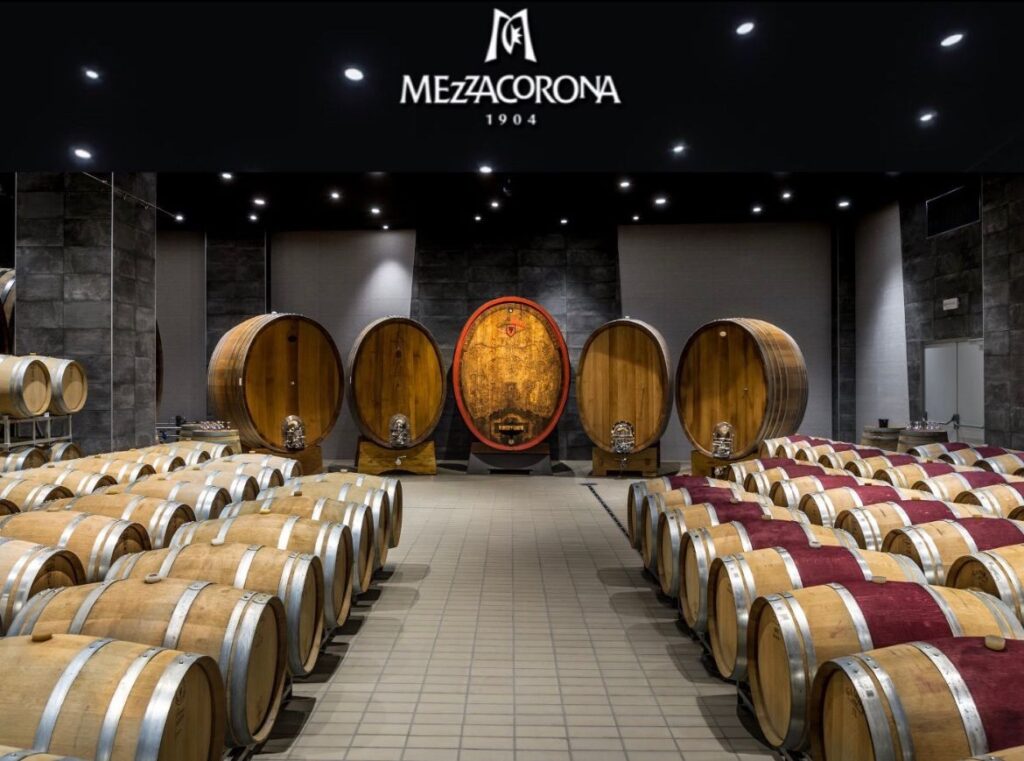
From Trentino to the USA: The Export Journey of Mezzacorona

Gruppo Mezzacorona is one of Italy’s most important wine producers. Based in Trentino, the company has built a strong international presence over the years. Among all export markets, the United States stands out as one of the most important. The journey from Trentino to the USA shows how scale, consistency, and clear positioning can drive success in global wine trade.

Mezzacorona operates as a large cooperative. It brings together thousands of growers across the Trentino region. This structure allows the company to control both quality and volume. For the US market, this is a key advantage. Importers need reliable supply, and Mezzacorona can deliver it year after year. This reliability builds long-term partnerships in a competitive market.

The United States is one of the largest wine markets in the world. It is also very competitive. Domestic wines dominate many segments, especially in California. For Italian producers, success in the US requires a clear identity and strong value. Mezzacorona enters the market with both. Its wines reflect the freshness and style of Trentino, while remaining accessible in price.

In the US, Mezzacorona wines are widely available. They can be found in large retail chains, independent wine shops, and restaurants. This broad distribution is not easy to achieve. It requires strong partnerships with importers and distributors. Mezzacorona has invested heavily in building these relationships. As a result, the brand has become a consistent presence on shelves across many states.

Another important factor is pricing. Mezzacorona positions its wines in a segment that offers good value for money. This is especially important in the US, where consumers are price sensitive but still interested in quality. The wines are easy to understand and easy to sell. Varietals like Pinot Grigio and Merlot play a key role in this strategy. They match consumer preferences and support strong sales volumes.

Brand clarity also helps Mezzacorona stand out. The company focuses on clean labeling and clear messaging. For many US consumers, Italian wine can be complex. Mezzacorona simplifies the offer without losing authenticity. This balance is important for both new and experienced wine buyers.

Logistics and scale are also part of the success story. As a large producer, Mezzacorona can manage supply chains efficiently. This ensures steady availability in the US market. In a time when supply disruptions can affect sales, this reliability becomes even more valuable for distributors and retailers.

However, the US market is always changing. Competition from other wine regions is strong. Countries like Chile, Australia, and Spain offer similar value propositions. To stay competitive, Mezzacorona must continue to adapt. Innovation in packaging, sustainability, and branding will play an important role in future growth.

Despite these challenges, the position of Mezzacorona in the United States remains strong. The company has built a model based on volume, value, and consistency. These are key factors in today’s global wine trade. The journey from Trentino to the USA shows how an Italian producer can succeed at scale while maintaining a clear identity.

For importers and distributors, Mezzacorona represents a reliable partner. For consumers, it offers approachable Italian wines with consistent quality. This combination continues to drive growth in one of the world’s most important wine markets.

UK to US: The Export Journey of Château Meyney

In the competitive world of Bordeaux, success is not only about prestige. Many estates build their reputation quietly, focusing on consistency and smart market positioning. Château Meyney is a clear example of this approach. Located in Saint-Estèphe, the estate has developed a strong presence in international markets, especially in the UK and the United States.

Château Meyney benefits from a clear identity. Wines from Saint-Estèphe are known for their structure and aging potential. Meyney follows this style but keeps a balance that makes the wines approachable. This combination is important for export markets. Buyers want wines that reflect their origin, but they also need products that are easy to sell to a wide audience.

The UK has long been one of the most important markets for Bordeaux wines. It is a mature and highly competitive environment, with knowledgeable consumers and experienced wine merchants. For Château Meyney, the UK was a natural step in building its export presence. The estate fits well into the mid-range Bordeaux category. It offers more depth than entry-level wines, but it remains more accessible than top classified growths. This positioning makes it attractive for retailers and restaurants that need reliable Bordeaux options at a fair price.

In the UK market, Château Meyney is often seen as a smart alternative. It gives consumers access to a classic Left Bank style without the high cost associated with more famous names. This value proposition has helped the estate build steady demand over time. Consistency across vintages also plays a key role. Importers and distributors prefer wines they can trust year after year, and Meyney delivers that stability.

Expanding into the United States brings different challenges. The US market is large, but it is also fragmented and strongly influenced by branding. French appellations are respected, but they often need clear communication to stand out. Château Meyney enters this market with a simple message: authentic Bordeaux character, good aging potential, and strong value for money.

In the US, the wines are typically found in specialized wine shops and on restaurant lists. They appeal to both experienced Bordeaux drinkers and consumers who are starting to explore the category. The structure of Saint-Estèphe wines gives Meyney an advantage, as many buyers in the US are looking for wines with character and aging potential. At the same time, the pricing allows the wine to remain accessible.

One of the key strengths of Château Meyney in international trade is its balance between scale and identity. The estate is large enough to support export markets, but not so large that it loses its character. This is important for importers who want wines with a clear story behind them. In today’s market, storytelling is as important as quality.

Another factor is the global shift toward value-driven purchasing. Both in the UK and the US, buyers are becoming more selective. They are looking for wines that offer quality without excessive pricing. Château Meyney fits perfectly into this trend. It sits in a segment that is increasingly important for distributors: premium wines that remain accessible.

However, competition remains strong. In the UK, Bordeaux faces pressure from other wine regions offering competitive pricing. In the US, domestic wines and New World producers continue to gain market share. To stay relevant, estates like Château Meyney must keep their positioning clear and consistent.

Despite these challenges, the outlook remains positive. There is still strong global demand for classic Bordeaux styles, especially when they are offered at the right price. Château Meyney is well placed to benefit from this demand. Its reputation for reliability and its clear market positioning give it a solid foundation for future growth.

The journey from the UK to the US shows how a mid-sized Bordeaux estate can succeed without relying on prestige alone. By focusing on consistency, identity, and value, Château Meyney has built a strong and sustainable export presence. For importers and distributors, it represents a dependable choice in an increasingly competitive global wine market.

Ayala Champagne: Selling Beyond Borders

Champagne Ayala is a historic producer of premium sparkling wine from Aÿ, France. Founded in 1860, Ayala is known for its elegant, fresh style and has a long tradition in the heart of the Champagne region.

Today, Ayala is not just a French favorite — it sells its champagnes in many countries around the world. The house exports a significant portion of its production outside France, reaching more than 60 countries. Its international markets include Europe, North America, and Asia, with strong demand in the United Kingdom, Germany, Italy, Belgium, Switzerland, the United States, and Japan. Ayala continues to grow in other regions, including the Middle East and Australia, making it a truly global brand.

Ayala’s popularity abroad comes from several factors. Its champagnes are known for being light, refined, and fresh, a style that appeals to many international buyers. With over 160 years of history, Ayala has a respected reputation that resonates worldwide. Being part of the Champagne Bollinger family also helps the brand expand its global reach and distribution.

In addition to its elegant style, Ayala stands out for its attention to detail and commitment to quality at every stage of production. From selecting the finest grapes to the delicate blending process, the house ensures that each bottle reflects the tradition, care, and craftsmanship that define true Champagne. This dedication to excellence helps Ayala maintain its status as a favorite among both connoisseurs and casual wine lovers across the globe.

As global demand for premium sparkling wine continues to rise, Ayala is well-positioned to continue growing its international presence. From celebrations in Europe to special dinners in Asia and parties in the United States, Ayala Champagne shows how French heritage and quality can travel beyond borders and delight drinkers around the world.

Marqués de Riscal and Its Growing Presence in the Netherlands

One of the most famous Rioja producers is Marqués de Riscal. The winery has a long history and a strong reputation. Its wines are widely available in the Netherlands. Because of this, Marqués de Riscal plays an important role in the Rioja category in the Dutch market.

This article looks at the winery and its position in the Netherlands.

About the Winery

Marqués de Riscal was founded in 1858 in the Rioja region of Spain. The winery is known as one of the pioneers of modern Rioja winemaking. Over the years, Marqués de Riscal has built a strong international brand and exports its wines to many countries, including the Netherlands.

The winery combines traditional Rioja winemaking with modern techniques. This balance helps the brand keep its classic identity while staying relevant in international markets. Among its wines, the Rioja Reserva is one of the most recognized labels.

Marqués de Riscal in the Dutch Market

In the Netherlands, Rioja wines are popular with both casual wine drinkers and wine enthusiasts. Dutch consumers often look for wines that offer good quality at a fair price, and Rioja fits well in this segment.

Marqués de Riscal wines are widely distributed across the country. They can be found in wine shops, online wine retailers, restaurants, and specialty wine importers. Because the brand is well known, it has strong visibility in the market. For many consumers, it is seen as a reliable Rioja producer.

The Importance of Rioja Reserva

One of the most important wines from the winery in the Dutch market is the Marqués de Riscal Rioja Reserva. The wine is mainly made from Tempranillo grapes, which are typical for Rioja. Small amounts of Graciano and Mazuelo may also be used.

The wine is aged in oak barrels and then in the bottle before it reaches the market. This aging process creates the classic Rioja character that many consumers enjoy. The wine usually shows flavors of dark cherry, plum, vanilla, and gentle spice, together with subtle oak notes. This traditional style remains very popular among consumers who enjoy balanced red wines.

Price Positioning in the Netherlands

In the Dutch market, Marqués de Riscal Rioja Reserva usually sells for around 18 to 22 euros per bottle depending on the retailer. This places the wine in the mid-range price segment, where many imported wines compete for consumer attention.

In this category, consumers expect good quality and reliability. Marqués de Riscal benefits from its long history and consistent style, which helps the wine stand out in a competitive market.

Why the Wine Performs Well

There are several reasons why Marqués de Riscal performs well in the Dutch wine market. Rioja wines are already familiar to many consumers, and their style is easy to enjoy and suitable for many occasions.

The brand also benefits from strong international recognition. Many consumers trust established wineries when choosing wine. In addition, the price level fits well with Dutch retail expectations, offering quality without being too expensive. Good distribution across shops and online retailers also makes the wine easy to find.

Conclusion

Marqués de Riscal is one of the most recognizable Rioja producers available in the Netherlands. Its Rioja Reserva is widely distributed and positioned in the popular mid-price segment.

With its long history, consistent quality, and strong market presence, the winery continues to play an important role in the Dutch Rioja category. As Dutch consumers remain interested in classic Spanish wines, Marqués de Riscal is likely to remain an important name in the market for years to come.

The Story of Mendoza Wines in Germany

Mendoza is the heart of wine production in Argentina. Located at the foot of the Andes mountains, this region offers ideal conditions for growing high-quality grapes. With strong sunlight, dry climate, and pure water from melted snow, Mendoza has become one of the most important wine regions in the world. Over the past two decades, its wines have gained strong recognition in international markets, including Germany.

Germany has a long and respected wine culture. German consumers are knowledgeable and value both quality and fair pricing. For this reason, Mendoza wines have found a good place in the German market. The style of Argentine wines, especially Malbec, matches well with German taste preferences. Malbec is known for its deep color, ripe plum and blackberry flavors, soft tannins, and smooth finish. It pairs very well with grilled meats, sausages, and strong cheeses, which are common in German cuisine.

The growth of Mendoza wines in Germany did not happen overnight. It was the result of consistent quality, smart export strategies, and participation in important trade fairs. Events such as ProWein in Düsseldorf have played a key role in connecting Argentine producers with German importers and distributors. Through these professional platforms, many wineries from Mendoza introduced their labels to the European market.

Several well-known Mendoza wineries are already established in Germany. Bodega Catena Zapata is one of the pioneers that helped position Malbec as a world-class wine. Its bottles are available in specialized wine shops and through online retailers in Germany. Bodega Norton, founded in 1895, has also built a solid presence with its classic and reliable wines. Trapiche, one of Argentina’s largest producers, exports significant volumes to Germany and is recognized for offering good quality at competitive prices.

In the premium segment, wineries such as Achával-Ferrer have attracted attention from fine wine retailers and restaurants. Zuccardi Valle de Uco has also gained strong recognition in Germany, especially among wine professionals who appreciate its modern style and high-altitude vineyards.

Although Malbec remains the leading grape variety, German consumers are increasingly interested in discovering other Argentine wines. Cabernet Sauvignon, Bonarda, Chardonnay, and Torrontés are slowly gaining visibility. This growing curiosity reflects a broader trend in Germany toward exploring new wine regions beyond traditional European producers.

Germany is one of the largest wine importers in the world, which makes it a strategic market for Argentina. Mendoza, as the country’s flagship wine region, benefits directly from this demand. The combination of quality production, strong branding, and long-term partnerships with German distributors has created a stable and promising relationship.

The story of Mendoza wines in Germany is still evolving. As more consumers learn about the unique terroir of the Andes and the character of high-altitude vineyards, the interest in Argentine wines continues to grow. What began as a niche presence has developed into a solid market position. Today, Mendoza wines are no longer a novelty in Germany; they are a respected and valued choice on many wine shelves and restaurant lists.

Vega Sicilia in the US: The Spanish Winery That Defines Prestige

Spain is famous for its rich wine tradition, and few wineries represent Spanish wine like Vega Sicilia. Known for its premium quality and long history, Vega Sicilia has become a symbol of prestige and excellence in the US wine market.

A Legacy of Spanish Wine Excellence

Founded in 1864 in the Ribera del Duero region, Vega Sicilia is one of Spain’s most respected wineries. Over the years, it has earned a reputation for carefully crafted wines that combine tradition with modern winemaking techniques. Its flagship wine, Único, is considered a benchmark for Spanish wines worldwide.

Vega Sicilia in the US Market

In the United States, Vega Sicilia is more than just a wine brand—it’s a symbol of luxury and quality. Its wines are available in select restaurants, wine shops, and high-end retailers, making them accessible to collectors and consumers who appreciate exceptional Spanish wines.

US consumers are drawn to Vega Sicilia for several reasons:

  • Prestige: Owning a bottle is seen as a mark of sophistication.
  • Quality: Each wine is carefully aged and crafted, ensuring a unique experience.
  • Rarity: Limited production makes Vega Sicilia wines special and highly sought-after.

Why US Consumers Value Vega Sicilia

The American wine market loves Vega Sicilia for its elegance, depth, and history. Wine enthusiasts are willing to pay a premium for these wines because they represent a trusted Spanish heritage. Many collectors enjoy cellaring Vega Sicilia wines, as they improve with age and develop complex flavors over time.

Additionally, Vega Sicilia’s commitment to sustainability and quality control aligns well with modern consumer expectations, especially in markets like California and New York where consumers are interested in ethically produced luxury products.

How Vega Sicilia Stands Out Among Spanish Exports

Spain exports many wines to the US, but Vega Sicilia stands out due to:

  1. Exceptional Craftsmanship: Hand-harvested grapes and long aging processes.
  2. Consistency: Every vintage maintains the winery’s high standards.
  3. Recognition: International awards and high critic scores increase credibility.

These factors make Vega Sicilia a trusted choice for wine lovers who want both quality and prestige.

Conclusion

Vega Sicilia is more than a Spanish winery—it is a symbol of Spanish wine excellence in the US. For consumers seeking a prestigious, high-quality wine that represents tradition and sophistication, Vega Sicilia is a clear favorite. Its presence in the US market proves that Spanish wines can compete at the highest level, appealing to both collectors and modern wine enthusiasts.

Delta Wines: The Importer Bridging Global Wine Producers and Europe

Selling wine in Europe is not only about quality. Producers also need strong partners who understand the market, the rules, and the distribution system. Delta Wines is a well-known wine importer in Europe, helping wine producers from around the world reach European buyers and consumers.

With a wide wine portfolio and strong trade connections, Delta Wines plays an important role in bringing international wines into the European Union.

A Well-Established Wine Importer in the EU

Delta Wines is an experienced wine importer and distributor operating across Europe. The company manages many key steps needed to sell wine in the EU, including import procedures and customs, EU labeling and legal requirements, storage and logistics, and distribution to retail and hospitality customers.

This allows wine producers to focus on making wine, while Delta Wines takes care of market entry and sales.

A Wide Selection of Wines from Around the World

One of Delta Wines’ main strengths is its large and diverse wine selection, sourced from many wine-producing countries across Europe and beyond.

Alongside wines from major traditional wine countries such as France, Italy, Spain, Germany, and Portugal, Delta Wines works with producers from a wide range of international origins. These include Slovenia, Hungary, Georgia, Bulgaria, and Moldova, as well as wines from Austria, Greece, Romania, and other Central and Eastern European countries.

The portfolio also extends beyond Europe, with wines from well-known New World regions such as Chile, Argentina, South Africa, Australia, New Zealand, and the United States, among others.

By offering wines from both established and emerging regions, Delta Wines helps European buyers build balanced portfolios that combine familiarity with discovery.

Strong Connections Across European Markets

Delta Wines has built long-term relationships across the European wine trade. The company supplies wine to large retail chains, independent wine shops, restaurants, hotels and bars, as well as wholesalers and foodservice partners.

Thanks to these strong connections, Delta Wines can place wines in the right markets and sales channels, helping brands grow across Europe.

A Reliable Partner for Wine Producers

For many wine producers, especially those outside the EU or from lesser-known wine regions, entering Europe can be challenging. Delta Wines works as a long-term partner, not just an importer.

The company supports producers with pricing and market positioning, brand presentation and storytelling, and sales and promotional activities. This is particularly important for producers from countries such as Georgia, Moldova, Bulgaria, and Hungary, where explaining origin, grape varieties, and style is key to building demand.

Experience with EU Rules and Regulations

The European Union has strict wine regulations, which can be difficult for exporters to manage. As an experienced importer, Delta Wines ensures that all wines meet EU standards, including correct labeling, tax and excise rules, and quality and safety requirements.

This helps reduce risk, delays, and unexpected costs for producers.

Following Today’s Wine Trends

European consumers are increasingly interested in authentic wines with a clear origin, indigenous grape varieties, and sustainable production methods.

Delta Wines’ portfolio reflects these trends by including wines from countries such as Slovenia, Hungary, Georgia, Bulgaria, Moldova, Greece, and Austria, alongside classic European regions and leading New World producers.

Conclusion

Delta Wines is a key wine importer connecting global wine producers with European markets. With a portfolio that includes wines from across Western, Central, and Eastern Europe — as well as the New World — the company offers depth, variety, and strong market access.

By bringing together wines from countries such as France, Italy, Spain, Portugal, Germany, Slovenia, Hungary, Georgia, Bulgaria, Moldova, Chile, Argentina, South Africa, Australia, and New Zealand, Delta Wines continues to expand wine choices in Europe and support the growth of international wine brands.

London HoReCa and Its Global Influence on Wine Brands

London’s restaurants, bars, and hotels are famous for their high standards and competitive wine lists. Selling wine here is not easy. Costs are high, margins are tight, and buyers are picky. Yet, despite these challenges, London HoReCa remains one of the most important markets for wine brands worldwide.

Even if a wine sells only in small amounts in London, the city can give it global visibility. A listing on a respected London wine list can influence buyers, importers, and wine professionals far beyond the UK.

Why London Matters Beyond Its Size

By volume, London may not be the largest wine market. But in terms of influence, it is among the most important.

London brings together sommeliers, importers, journalists, and trade professionals from around the world. Wines that appear in London restaurants often gain credibility in other countries. Being listed in a top London restaurant sends a message: this is a wine worth noticing.

This is why many wine brands see London HoReCa not just as a sales channel, but as a global shop window.

Prestige Over Volume

In London, selling large quantities is not the main goal. Restaurants often order small amounts, focus on quality, and rotate their wine lists frequently. Prices are carefully watched, and consumers expect good value for their money.

What London does offer is prestige. A wine featured in a respected restaurant or hotel can bring:

  • Stronger brand recognition
  • Confidence from other buyers and importers
  • Stories to tell in marketing and export markets
  • Long-term brand value beyond immediate sales

For brands, London is more of an investment in image and credibility than a volume opportunity.

Getting Access Matters Most

Success in London depends on partnerships. A small group of specialist importers and distributors control access to the most important restaurants and wine bars.

These partners understand:

  • What sommeliers look for
  • How wine lists are created
  • Pricing that works for restaurants
  • Staff training and wine education

Even the best wine can struggle without the right support. Choosing the right partner is often as important as the quality of the wine itself.

London Sets Wine Trends

Despite economic pressure, London continues to influence global wine trends. Restaurants in the city help define what wines are in demand, including:

  • Fresh, food-friendly wines
  • Moderate alcohol wines
  • Cleaner, consistent styles over extreme trends
  • Lesser-known regions with strong stories

Wines that succeed in London often appear later in other markets. Producers can use London as a testing ground for new styles or brands.

Is London HoReCa Worth It?

London is not easy. It requires patience, steady supply, clear messaging, and strong partnerships. But for wine brands with global ambitions, it remains one of the most valuable markets. Success in London can help a wine brand gain credibility, recognition, and opportunities worldwide.

Canada as a Wine Market: Opportunities for International Producers

Canada has become one of the most attractive wine markets for international producers. With a stable economy, diverse population, and strong interest in imported wines, the country offers long-term potential for wineries looking to expand beyond their home markets. While the system can seem complex at first, those who understand how Canada works can find real opportunities.

A Market Driven by Imports

Canada is not a large wine-producing country compared to Europe or the United States. As a result, a significant share of the wine consumed in Canada is imported. Consumers are open to wines from all over the world, including Europe, South America, Australia, New Zealand, and South Africa.

Canadian wine drinkers are also becoming more educated. Many are willing to try new regions, grape varieties, and styles, especially when the story and quality are clear. This creates space not only for famous brands, but also for smaller and mid-sized international producers.

Where Wine Is Consumed the Most

Wine consumption in Canada is concentrated in a few key provinces, which are the main targets for importers and exporters.

Ontario is the largest wine market in the country. It has the biggest population and the highest total wine sales.
Quebec follows closely, with a strong wine culture and high per-capita consumption. Consumers here are especially open to European wines.
British Columbia is another important market, known for premium wine consumption and strong interest in sustainability and quality.
Alberta is smaller in population but important because it has a fully private retail system, making market entry more flexible in some cases.

Together, these provinces represent the majority of wine sales in Canada.

Key Wine Importers in Canada

Because alcohol sales are highly regulated, working with the right importer is essential. Some well-known and respected wine importers in Canada include:

Mark Anthony Wine & Spirits – One of the largest players, with strong national distribution and both domestic and imported brands.
Charton Hobbs – A major importer and agent representing many international wineries across several provinces.
Authentic Wine & Spirits Merchants – Focuses on premium and artisanal producers, especially from Europe and the New World.
Trialto Wine Group – Known for fine wine portfolios and strong presence in Ontario, Quebec, and British Columbia.
Vincor / Arterra Wines Canada – A large company with import, production, and distribution capabilities across the country.

These companies understand provincial regulations, logistics, and pricing structures, making them key partners for international producers.

How the Canadian System Works

Each province controls alcohol sales through its own system. Some provinces operate government monopolies, while others allow private retail or mixed models. This means market entry is usually done province by province, not all at once.

While this adds complexity, it also allows producers to start small, test the market, and grow step by step. Many successful wineries began in one province before expanding to others.

What International Producers Should Know

Canada rewards consistency, reliability, and long-term commitment. Pricing must be carefully planned, as taxes and markups are significant. Marketing support, storytelling, and education are also important, especially in monopoly markets.

Sustainability, organic certification, and transparent production methods are increasingly valued by Canadian buyers and consumers.

Conclusion

Canada is not a fast or easy market, but it is a stable and rewarding one. With strong demand for imported wine, open-minded consumers, and professional importers, the country offers real opportunities for international producers who are ready to invest time and strategy.

For wineries looking for long-term growth in a mature but evolving market, Canada deserves serious attention.

10 EU Importers Leading the Rise of New World Wines

The demand for New World wines has grown rapidly across the European Union, driven by fresh styles, competitive pricing, and strong marketing. Behind this momentum stand key importers who connect wineries from Chile, Argentina, South Africa, Australia, New Zealand, and the USA with European retailers, restaurants, and distributors. These companies play a decisive role in shaping trends and opening new opportunities for producers outside Europe.

A collection of empty wine and champagne bottles in a case, ready for recycling.

Below is a look at 10 influential EU importers who have become important gateways for New World wines. These companies focus on sourcing, building brand visibility, and expanding market reach across the continent.

1. Bibendum (UK)
One of the most recognizable names in the UK trade, Bibendum has a strong portfolio of Australian, South African, and New Zealand producers. Their reach through on-trade channels makes them a key player.

2. Liberty Wines (UK & Ireland)
Known for premium selection and strong distribution, Liberty Wines represents top brands from Australia and New Zealand. Their market expertise helps New World wines gain strong positioning in restaurants.

3. Ehrmanns Wine (UK)
With over 150 years of import experience, Ehrmanns works with partners across Chile, Argentina, and South Africa. Their long-standing supermarket connections provide a clear route to consumers.

4. ABS Wine Agencies (UK)
ABS focuses heavily on boutique New World wineries. Their strength lies in direct relationships with producers and independent merchants.

5. Mack & Schühle (Germany)
As one of Europe’s largest beverage importers, they maintain a strong New World portfolio with suppliers from South Africa, Australia, and the USA. Their logistics network covers most of the EU.

6. Wein Wolf (Germany)
This importer specializes in premium wine brands and has long-standing partnerships with New World icons. Their influence is felt in retail and on-trade distribution across Germany.

7. Barrique Weinhandel (Germany)
A growing name in Germany’s import scene, Barrique works closely with small-to-medium New World producers, helping them enter European markets through a franchise-style retail model.

8. Vinexus (Germany & EU digital market)
A fully digital wine importer and retailer, Vinexus offers wide visibility to New World wines, using e-commerce reach to connect with consumers across the EU.

9. Wijnkooperij de Lange (Netherlands)
This Dutch importer collaborates with premium wineries from Australia, Chile, and South Africa. Their strong presence in the Benelux trade gives producers valuable exposure.

10. Vinnico Export (Spain)
Operating from Spain with a strong European network, Vinnico works with New World producers to place wines in both traditional distribution and modern retail across the EU.

Why These Importers Matter

These importers act as market gatekeepers, helping New World producers navigate regulations, logistics, labeling requirements, and changing consumer preferences. Their influence supports the continued growth of New World wines in Europe, offering diversity to retailers and exciting choices to consumers.

Conclusion

As European consumers continue exploring new flavors and styles, New World wines gain a stronger foothold. The importers listed above play a central role in this growth by creating bridges between producers and the EU market. For wineries looking to enter or expand in Europe, these companies represent valuable partners and a gateway to new opportunities.