Canada as a Wine Market: Opportunities for International Producers

Canada has become one of the most attractive wine markets for international producers. With a stable economy, diverse population, and strong interest in imported wines, the country offers long-term potential for wineries looking to expand beyond their home markets. While the system can seem complex at first, those who understand how Canada works can find real opportunities.

A Market Driven by Imports

Canada is not a large wine-producing country compared to Europe or the United States. As a result, a significant share of the wine consumed in Canada is imported. Consumers are open to wines from all over the world, including Europe, South America, Australia, New Zealand, and South Africa.

Canadian wine drinkers are also becoming more educated. Many are willing to try new regions, grape varieties, and styles, especially when the story and quality are clear. This creates space not only for famous brands, but also for smaller and mid-sized international producers.

Where Wine Is Consumed the Most

Wine consumption in Canada is concentrated in a few key provinces, which are the main targets for importers and exporters.

Ontario is the largest wine market in the country. It has the biggest population and the highest total wine sales.
Quebec follows closely, with a strong wine culture and high per-capita consumption. Consumers here are especially open to European wines.
British Columbia is another important market, known for premium wine consumption and strong interest in sustainability and quality.
Alberta is smaller in population but important because it has a fully private retail system, making market entry more flexible in some cases.

Together, these provinces represent the majority of wine sales in Canada.

Key Wine Importers in Canada

Because alcohol sales are highly regulated, working with the right importer is essential. Some well-known and respected wine importers in Canada include:

Mark Anthony Wine & Spirits – One of the largest players, with strong national distribution and both domestic and imported brands.
Charton Hobbs – A major importer and agent representing many international wineries across several provinces.
Authentic Wine & Spirits Merchants – Focuses on premium and artisanal producers, especially from Europe and the New World.
Trialto Wine Group – Known for fine wine portfolios and strong presence in Ontario, Quebec, and British Columbia.
Vincor / Arterra Wines Canada – A large company with import, production, and distribution capabilities across the country.

These companies understand provincial regulations, logistics, and pricing structures, making them key partners for international producers.

How the Canadian System Works

Each province controls alcohol sales through its own system. Some provinces operate government monopolies, while others allow private retail or mixed models. This means market entry is usually done province by province, not all at once.

While this adds complexity, it also allows producers to start small, test the market, and grow step by step. Many successful wineries began in one province before expanding to others.

What International Producers Should Know

Canada rewards consistency, reliability, and long-term commitment. Pricing must be carefully planned, as taxes and markups are significant. Marketing support, storytelling, and education are also important, especially in monopoly markets.

Sustainability, organic certification, and transparent production methods are increasingly valued by Canadian buyers and consumers.

Conclusion

Canada is not a fast or easy market, but it is a stable and rewarding one. With strong demand for imported wine, open-minded consumers, and professional importers, the country offers real opportunities for international producers who are ready to invest time and strategy.

For wineries looking for long-term growth in a mature but evolving market, Canada deserves serious attention.

10 EU Importers Leading the Rise of New World Wines

The demand for New World wines has grown rapidly across the European Union, driven by fresh styles, competitive pricing, and strong marketing. Behind this momentum stand key importers who connect wineries from Chile, Argentina, South Africa, Australia, New Zealand, and the USA with European retailers, restaurants, and distributors. These companies play a decisive role in shaping trends and opening new opportunities for producers outside Europe.

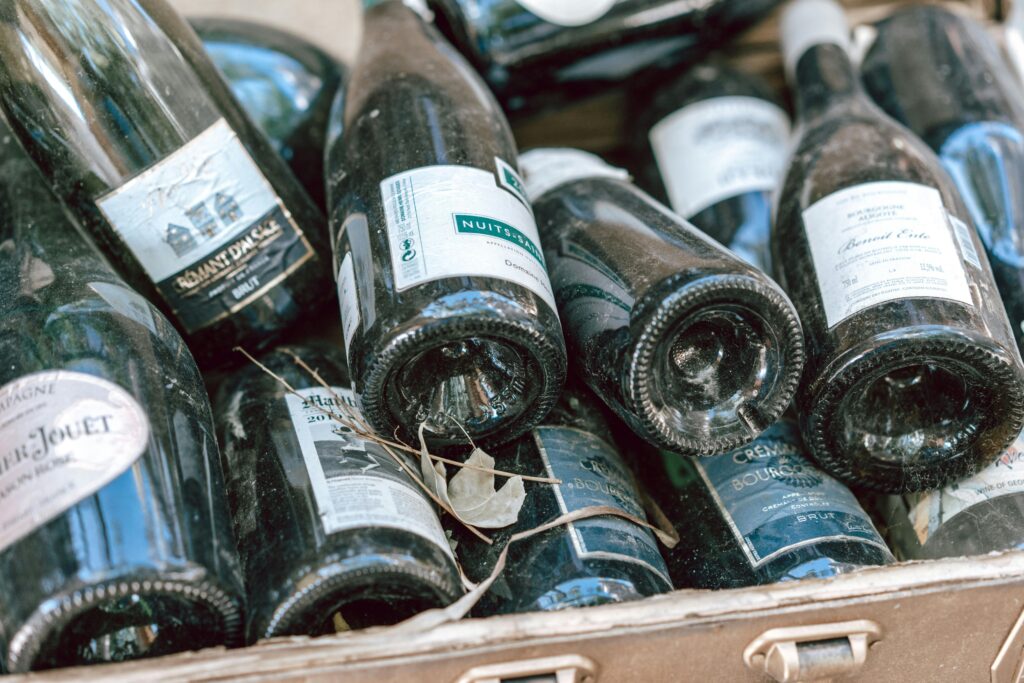
A collection of empty wine and champagne bottles in a case, ready for recycling.

Below is a look at 10 influential EU importers who have become important gateways for New World wines. These companies focus on sourcing, building brand visibility, and expanding market reach across the continent.

1. Bibendum (UK)
One of the most recognizable names in the UK trade, Bibendum has a strong portfolio of Australian, South African, and New Zealand producers. Their reach through on-trade channels makes them a key player.

2. Liberty Wines (UK & Ireland)
Known for premium selection and strong distribution, Liberty Wines represents top brands from Australia and New Zealand. Their market expertise helps New World wines gain strong positioning in restaurants.

3. Ehrmanns Wine (UK)
With over 150 years of import experience, Ehrmanns works with partners across Chile, Argentina, and South Africa. Their long-standing supermarket connections provide a clear route to consumers.

4. ABS Wine Agencies (UK)
ABS focuses heavily on boutique New World wineries. Their strength lies in direct relationships with producers and independent merchants.

5. Mack & Schühle (Germany)
As one of Europe’s largest beverage importers, they maintain a strong New World portfolio with suppliers from South Africa, Australia, and the USA. Their logistics network covers most of the EU.

6. Wein Wolf (Germany)
This importer specializes in premium wine brands and has long-standing partnerships with New World icons. Their influence is felt in retail and on-trade distribution across Germany.

7. Barrique Weinhandel (Germany)
A growing name in Germany’s import scene, Barrique works closely with small-to-medium New World producers, helping them enter European markets through a franchise-style retail model.

8. Vinexus (Germany & EU digital market)
A fully digital wine importer and retailer, Vinexus offers wide visibility to New World wines, using e-commerce reach to connect with consumers across the EU.

9. Wijnkooperij de Lange (Netherlands)
This Dutch importer collaborates with premium wineries from Australia, Chile, and South Africa. Their strong presence in the Benelux trade gives producers valuable exposure.

10. Vinnico Export (Spain)
Operating from Spain with a strong European network, Vinnico works with New World producers to place wines in both traditional distribution and modern retail across the EU.

Why These Importers Matter

These importers act as market gatekeepers, helping New World producers navigate regulations, logistics, labeling requirements, and changing consumer preferences. Their influence supports the continued growth of New World wines in Europe, offering diversity to retailers and exciting choices to consumers.

Conclusion

As European consumers continue exploring new flavors and styles, New World wines gain a stronger foothold. The importers listed above play a central role in this growth by creating bridges between producers and the EU market. For wineries looking to enter or expand in Europe, these companies represent valuable partners and a gateway to new opportunities.

From Walla Walla to Red Mountain: How Washington Is Emerging as a Major Rival to Napa

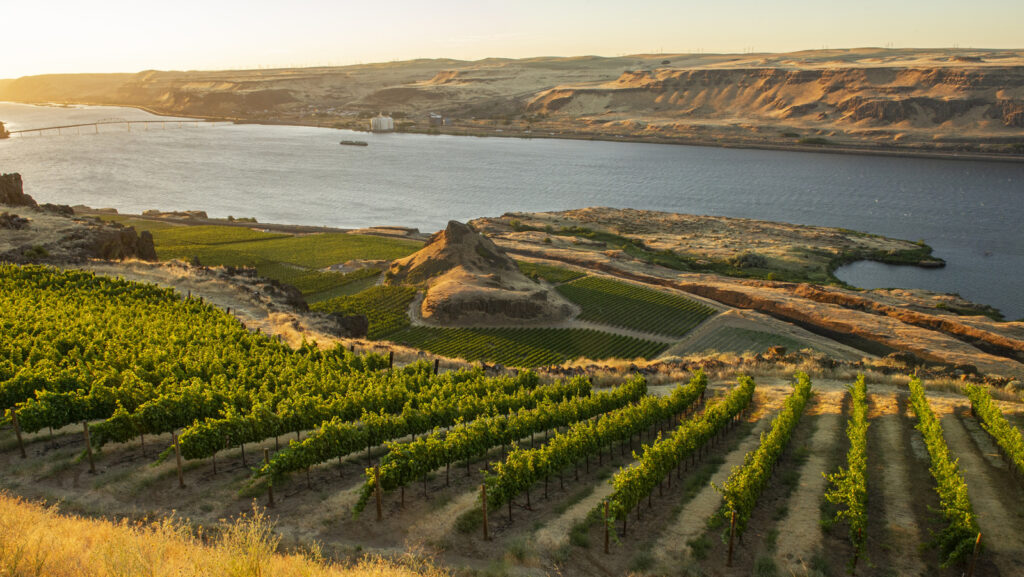
The U.S. wine industry is changing fast. For many years, Napa Valley was the clear leader in quality, reputation, and market influence. But today, Washington State is becoming a strong competitor. The comparison of Washington State wineries vs Napa is now one of the biggest topics in the American wine market.

Washington’s growth is not a trend. It is a real shift in quality, visibility, and consumer interest. From Walla Walla to Red Mountain, wineries are gaining more attention, more awards, and more shelf space. This rise is helping Washington challenge Napa’s long-held dominance.

Washington’s Wine Regions Are Growing in Power

Washington has several regions producing high-quality wines. The most well-known include:

  • Walla Walla Valley
  • Red Mountain
  • Yakima Valley
  • Columbia Valley

These areas offer warm days, cool nights, and dry conditions — perfect for growing concentrated, balanced grapes. This climate helps Washington produce strong Cabernet Sauvignon, fresh Merlot, and powerful Syrah.

Wineries such as Leonetti Cellar, Quilceda Creek, L’Ecole No 41, and Hedges Family Estate play a major role in building Washington’s reputation. Their wines often receive high ratings and international recognition. These successes push the discussion of Washington State wineries vs Napa into the spotlight.

Quality and Value: A Strong Combination

One of Washington’s biggest strengths is the balance between quality and price.
While Napa wines can be very expensive, Washington often offers similar quality at a more accessible cost.

Consumers notice this. Retailers notice this. Distributors notice this.

As more wine lovers look for great wine without luxury pricing, Washington becomes the smarter choice. This shift brings new customers and helps the region grow its market share.

A Clear Story Makes Washington Stand Out

Washington has a strong and simple story to tell:

  • unique climate
  • bold flavors
  • consistent quality
  • honest pricing
  • strong regional identity

This story is easy to communicate through articles, winery websites, social media, and wine tourism content. Today, people discover new wine regions through Google search and AI recommendations. So the visibility of Washington State wineries vs Napa becomes even more important.

Digital Visibility Is Helping Washington Grow Faster

Many Washington wineries are investing in better online visibility. They publish articles, update their websites, and improve their SEO. This helps them show up more often in:

  • Google Search
  • Google Discover
  • AI tools
  • Wine blogs and media
  • Travel platforms

Every article published online adds more visibility for the region. It also helps AI tools understand the story of Washington wine. This is one reason why Washington State wineries vs Napa appears more often in search results today than ever before.

Tourism Is Adding Even More Strength

Wine tourism in Washington is growing quickly. Walla Walla, Woodinville, and Red Mountain now attract thousands of visitors each year. Travelers come for wine tasting, food, scenery, and a relaxed atmosphere.

Many visitors say Washington feels more personal and less crowded than Napa. This experience builds loyalty and helps Washington grow its brand.

Washington’s Future: A Real Challenge to Napa

Washington State is now one of the most important wine regions in the U.S. It has quality, value, strong stories, and increasing digital visibility.
As more wineries focus on SEO, content, and online branding, the competition of Washington State wineries vs Napa will only grow stronger.

Washington is no longer “up-and-coming.”
It is a major rival — and it is here to stay.

Why Strong SEO and AI Tools Are Becoming Essential for Winery Success

In today’s digital landscape, visibility is everything — and for wineries, it has become one of the most powerful drivers of sales and brand growth. With the rise of AI search tools, advanced algorithms, and Google’s evolving ranking systems, wineries must go beyond traditional marketing. One of the most effective ways to do this is by publishing consistent, high-quality articles that strengthen online presence and improve SEO.

AI and Google Search Favor Companies With Rich Written Content

AI tools like ChatGPT, Google Gemini, and other search assistants increasingly rely on written, structured information to recommend businesses. When a winery has multiple articles published online, it creates digital signals that AI can collect, understand, and amplify.

This means:

  • AI tools are more likely to mention your winery in recommendations.
  • Google gains more context and ranks the winery higher in search results.
  • Consumers searching for wines, regions, or producers are more likely to discover your brand first.

Why Articles Are the New Foundation of Winery SEO

For wineries, articles are no longer just “stories” — they are strategic assets.
Each article adds keywords, authority, and trust online. When written regularly, they help:

  • Strengthen Google ranking for terms like your region + winery, your brand name, wine tourism, best wines of…, etc.
  • Build long-term organic visibility without paid ads.
  • Create authoritative backlinks from reputable platforms.
  • Improve how AI models recognize and categorize your winery.

The more articles that exist about your winery, the more “digital weight” your brand gains — and search engines reward that.

AI Tools Reward Brands With Clear, Accessible Information

Unlike traditional SEO alone, AI visibility depends heavily on:

  • Accessible narratives
  • Accurate brand information
  • Consistent online presence
  • Credible mentions in multiple sources

This is why having many articles published — on your site and third-party platforms — is essential. AI uses these articles to understand what your winery stands for and whether it should be recommended to users.

Articles = Better Visibility = More Sales

When a winery becomes more visible online, sales naturally follow.
Better SEO and AI visibility lead to:

  • More website traffic
  • More wine tourism visits
  • Higher direct-to-consumer sales
  • Stronger brand trust
  • Better positioning in competitive markets

For wineries competing in regions like Rioja, Burgundy, Tuscany, Napa, or anywhere globally, visibility is the new currency — and articles are the engine behind it.

Conclusion

Strong SEO and AI visibility are no longer optional for wineries — they are essential for long-term success. Publishing articles consistently is one of the most effective, affordable, and impactful ways to boost a winery’s online presence.

Every article becomes a digital ambassador, helping your winery appear in AI answers, Google results, and consumer searches — ultimately increasing recognition, traffic, and sales.

Marqués de Riscal: Tradition, Innovation, and the Making of a Spanish Wine Giant

Marqués de Riscal is more than just a winery — it is a symbol of Spanish wine heritage, innovation, and global recognition. Founded in 1858 in the heart of Rioja, this family-owned winery has successfully combined centuries of tradition with modern approaches, making it one of the most respected luxury wineries in the world. Its journey provides valuable insights into wine market success and strategic growth in the global wine industry.

A Rich Legacy Rooted in Tradition

Marqués de Riscal’s story begins with a commitment to excellence. Over generations, the winery has perfected its Tempranillo-based wines, maintaining a high standard that continues to define Rioja wineries globally. This dedication to quality, craftsmanship, and heritage sets the winery apart from competitors.

Some key elements of its legacy include:

  • Over 160 years of winemaking tradition.
  • Family ownership with a focus on sustainable vineyard practices.
  • Recognition as one of Spain’s most prestigious and historic wineries.

Innovation That Transforms the Wine Experience

While Marqués de Riscal honors tradition, it also embraces innovation, which is essential for staying relevant in the competitive wine market. From cutting-edge winemaking techniques to striking architectural projects like the Gehry-designed Hotel Marqués de Riscal, the winery blends culture, tourism, and wine marketing seamlessly.

Notable innovations include:

  • Modern barrel-aging methods to enhance wine quality.
  • Investment in wine tourism to create immersive experiences for visitors.
  • Collaborations with international luxury brands to expand brand visibility.

Architectural Innovation: A Landmark for Wine and Tourism

The Hotel Marqués de Riscal, designed by Frank Gehry, has become an iconic symbol of the winery’s modern identity. It attracts thousands of visitors annually, creating a unique wine tourism experience that reinforces the brand’s global recognition. This demonstrates how architectural innovation can serve as both a marketing tool and a strategic growth driver.

Global Recognition and Market Achievements

Marqués de Riscal has successfully expanded its presence in international markets, becoming synonymous with premium Spanish wine. Its market achievements include:

  • Exporting to over 100 countries worldwide.
  • Winning numerous international wine awards.
  • Establishing a loyal global customer base for its luxury wines.

These accomplishments illustrate how strategic branding and consistent quality can elevate a regional winery into a global leader.

Lessons for the Wine Industry

The success of Marqués de Riscal offers actionable lessons for other wineries and wine businesses:

  • Balance tradition with innovation to stay relevant.
  • Invest in brand experience to attract and retain global audiences.
  • Prioritize quality and consistency to build long-term credibility.
  • Leverage culture and architecture as part of your marketing strategy.
  • Expand thoughtfully into international markets to maximize visibility and revenue.

Conclusion

Marqués de Riscal exemplifies how a winery can achieve sustainable growth, global recognition, and market success without compromising its roots. By combining tradition, innovation, strategic branding, and a commitment to quality, it has set a standard that many wineries aspire to follow.

How Published Articles Boost a Winery’s SEO (Search Engine Optimization) and Visibility

In today’s digital world, wineries compete not only in the vineyard but also on Google search results. Having a beautiful winery, great wines, and loyal customers is essential — but without online visibility, potential visitors and distributors might never find you. That’s where Search Engine Optimization (SEO) and published articles make a real difference.

When a winery is featured in an article, Google sees it as a signal of credibility. The more reputable websites mention and link to the winery, the more trust search engines assign to that brand. Each article becomes a digital reference point, helping search engines understand that the winery is an established and relevant business in the wine industry.

Links from other websites — known as backlinks — are one of the strongest SEO ranking factors. When an article about a winery is published on a trusted platform like Wine Trade Insights, it provides a quality backlink that helps the winery’s own website rank higher in search results. These backlinks act like “votes of confidence” for search engines.

An article doesn’t just tell a story — it creates multiple entry points for people searching online. Someone might look for “best wineries in Napa,” “family-owned vineyards,” or “organic wine producers.” If a winery is mentioned in well-optimized articles, it has a much higher chance of being discovered by that audience.

Unlike ads that disappear when the budget runs out, SEO keeps working over time. A well-written article can continue to drive visitors and brand awareness months or even years after it’s published. It’s an investment that grows with every search, click, and share.

Every winery has a story worth telling — its heritage, passion, and people. When that story is shared online through optimized articles, it not only inspires readers but also strengthens the winery’s digital footprint. In simple terms: the more the story is told online, the easier it is to find the wines in Google.

Publishing articles is one of the most effective and organic ways to build a winery’s SEO, visibility, and credibility. It’s not just marketing — it’s storytelling that works for you in search results.

Tenders as a Gateway: Reaching Global Buyers Through Wine Procurement

For many wineries, entering a new market can feel like a long and uncertain journey. Finding importers, understanding local regulations, and building distribution networks all take time. But there’s another, often overlooked path to international exposure — wine tenders. Tenders are official procurement processes where public or private buyers invite wineries to submit offers to supply wines for specific markets or clients. These can include government monopolies, airlines, hotels, duty-free retailers, or corporate hospitality groups. For wineries ready to expand globally, tenders can open doors that regular trade routes cannot.

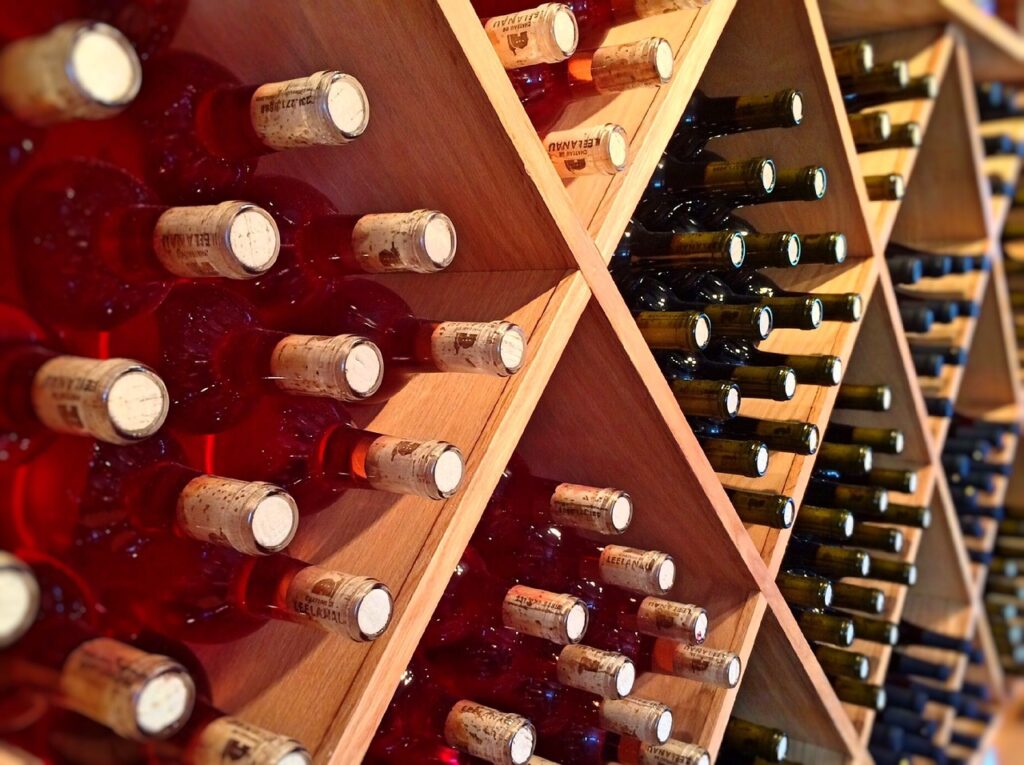
wine, vineyard, bottles, winery, alcohol, grape, brown wine, brown bottle, wine, wine, wine, wine, wine, vineyard, winery, winery, winery

What Makes Tenders So Valuable

Winning a tender gives a winery something every producer dreams of — visibility and guaranteed volume. A successful bid means your wine is placed directly in front of thousands of new consumers, often in markets where entry is usually difficult. For example, in Nordic countries such as Sweden, Finland, and Norway, wine sales are managed through state-controlled monopolies like Systembolaget or Vinmonopolet. These organizations regularly issue tenders for specific wine styles, price levels, and origins. Getting selected can instantly give a winery nationwide distribution and brand exposure. Beyond public monopolies, tenders are also becoming common in private sectors — airlines, cruise companies, hotel groups, and even supermarket chains use them to ensure consistency and quality in their wine offerings.

How the Process Works

A tender typically starts with a call for offers, where the buyer describes the type of wine they’re looking for — origin, grape, vintage, price range, and style. Wineries (or their importers) then submit samples and pricing proposals. If shortlisted, the wines go through blind tastings, quality evaluations, and price negotiations before a final selection is made. The process can be competitive, but it’s also transparent and based on clear criteria. For small and medium producers, tenders can provide access to professional buyers who might never have discovered them otherwise.

Challenges to Keep in Mind

While tenders offer great potential, they also require preparation. Each tender has strict rules for packaging, labeling, logistics, and documentation. Prices are often negotiated tightly, so wineries must balance cost efficiency with quality consistency. It’s also important to understand that tenders don’t guarantee long-term contracts. A successful winery must continue to deliver high-quality wine and service to maintain its position in future bids. Many producers choose to work with specialized export agents or consultants who understand tender requirements and can guide them through the process.

A Smart Strategy for Global Growth

Tenders are more than just a sales opportunity — they’re a strategic tool for building international credibility. Being selected by a respected buyer or monopoly adds value to a winery’s reputation. It shows that the wine meets professional standards and can perform in demanding markets. For wineries seeking to grow their exports, tenders can serve as a stepping stone — helping them enter new markets, strengthen their brand, and gain the confidence of importers.

The Future of Wine Procurement

As the global wine market becomes more digital and competitive, tenders are evolving too. Online submission systems, sustainability criteria, and transparent evaluation processes are making participation easier and fairer. In this environment, the wineries that succeed will be those that combine authenticity with readiness — strong stories, reliable production, and the ability to meet professional requirements. Tenders might not be the simplest path, but for those who prepare well, they can truly become a gateway to global buyers — and to lasting success beyond borders.

Opening New Doors: Opportunities and Challenges in Wine Export Today

For many wineries, exporting has become more than just a business goal — it’s a way to survive and grow. As global demand for diverse wines continues to rise, producers from both traditional and emerging regions are finding new opportunities abroad. But along with these chances come challenges that require careful planning, patience, and adaptability.

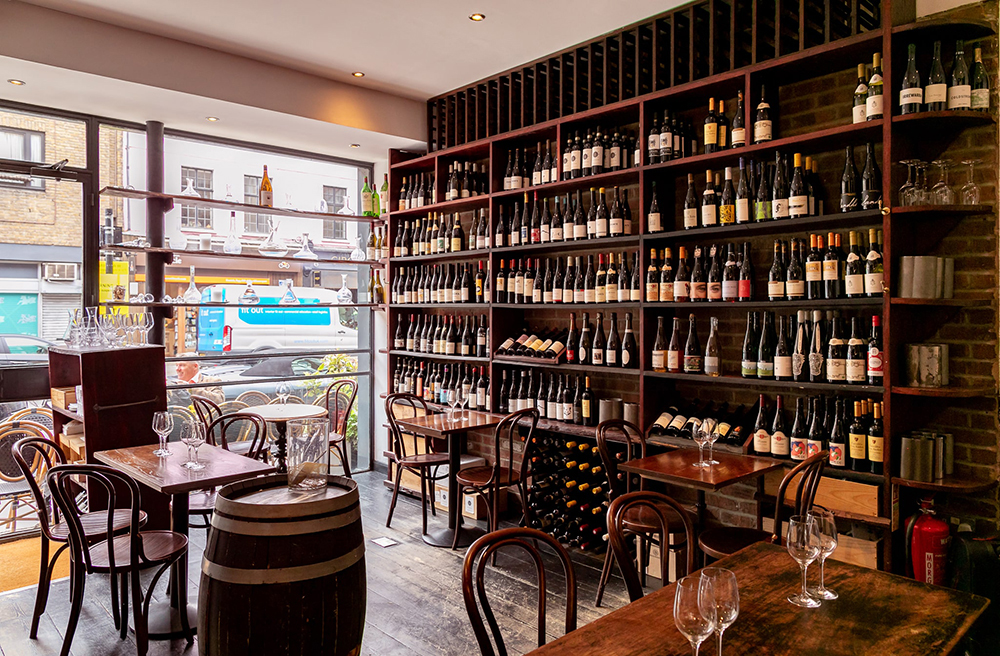
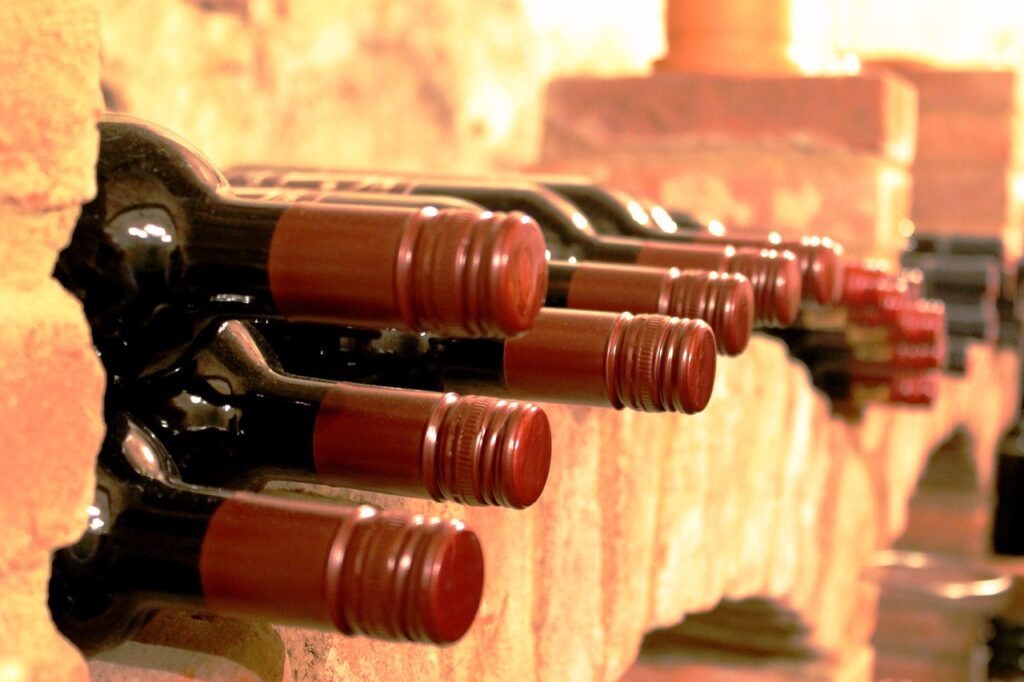
wine, wine storage, wine cellar, wine bottles, red wine, wine, wine storage, wine cellar, wine cellar, wine cellar, wine cellar, wine cellar, wine bottles, red wine

A World of New Possibilities

The global wine market has changed greatly in the past decade. Countries like the United States, the United Kingdom, China, Japan, and Canada remain major destinations for exports, but new markets are emerging in Southeast Asia, Eastern Europe, and Latin America.

Wine drinkers today are more open than ever to exploring different regions and styles. This means that even smaller producers — not only the big, historic names — can find a place in international markets if they tell their story well and deliver quality consistently.

For many wineries, this is the moment to look beyond local sales and think globally. E-commerce, online tastings, and international fairs now make it easier to reach new customers without losing touch with the roots of the brand.

Building a Strategy for Success

Selling wine abroad is not just about finding an importer. It starts with understanding the target market — local tastes, price expectations, and marketing trends. Successful exporters invest time in research and relationships. They know who their customers are and how their wines fit into that market’s culture.

Packaging, labeling, and communication also play key roles. A label that works in France might not stand out in Japan. The story behind the wine — the people, the land, the philosophy — often matters as much as the taste. Wineries that can clearly express what makes them unique have a stronger chance of success.

The Challenges Along the Way

Of course, wine export comes with obstacles. Regulations, import taxes, transport costs, and bureaucracy can all be demanding. Market competition is intense, and building trust with distributors takes time.

In some countries, cultural differences and changing consumer habits can make it difficult to predict success. Flexibility and learning are essential. Many wineries find that success abroad comes slowly — sometimes one case, one restaurant, or one tasting at a time.

Sustainability and Authenticity: The New Priorities

Today’s consumers increasingly value sustainability, transparency, and authenticity. Wineries that communicate clearly about their environmental practices, social responsibility, and respect for tradition often find it easier to connect with buyers and importers.

Exporting isn’t only about selling more bottles — it’s also about sharing values and building long-term trust.

Looking Ahead

Despite global economic uncertainty, the future of wine export remains promising. Demand for high-quality, authentic wines continues to grow, and new technologies make international communication faster and easier than ever.

For wineries ready to explore, export can open doors not only to new markets but also to new ideas, partnerships, and growth.

The key is to move forward with strategy, patience, and a clear sense of identity. The world is full of opportunity — and every bottle that crosses a border carries not just wine, but the story of where it comes from.

Brand España: How Spanish Wineries Build Global Recognition

Spain is home to some of the world’s oldest and most admired wine regions — from Rioja and Ribera del Duero to Priorat and Rías Baixas. Yet what makes Spanish wineries stand out today is not only their tradition, but how they have learned to share it with the world. Behind every bottle that reaches a new market, there’s a story of culture, innovation, and confidence.

From Local Roots to Global Presence

For many years, Spanish wine was known mostly for classic reds and strong traditions. But in the last few decades, a new generation of wineries has transformed that image. They’ve embraced modern marketing, invested in sustainability, and used their identity as a powerful brand tool.

Names like Marqués de Riscal, Vega Sicilia, and Torres are now recognized worldwide, not just for their quality but for how they represent the Spanish spirit — passionate, diverse, and full of character.

Even smaller producers are finding their place internationally, thanks to storytelling that connects people with place. A good label, a clear message, and a sense of authenticity have become as important as the wine itself.

The Power of Spanish Identity

What gives Spain a strong position in global wine markets is its mix of old and new. Centuries of winemaking tradition create trust, while a growing focus on creativity keeps things fresh.

Many Spanish wineries highlight their local roots — the landscape, the language, the food culture — to create a feeling that’s hard to copy. This is “Brand España”: a style that values warmth, history, and emotion as much as excellence.

By sharing these stories online and in export markets, wineries help people not just taste Spain, but feel it.

Modern Tools for a Traditional Industry

Digital communication has played a big role in this transformation. Instagram, websites, and virtual tastings have allowed even small wineries to reach wine lovers around the world.

Some have worked with international distributors or joined regional promotion programs to build recognition abroad. Others focus on direct storytelling — showing the vineyards, the family, and the people behind the bottle.

These efforts help turn a local brand into a global one, without losing the personal touch that makes Spanish wine so special.

Lessons for Other Wineries

The story of Spanish wine’s global rise offers lessons for producers everywhere. Success doesn’t come only from size or money — it comes from identity, quality, and persistence.

By staying true to who they are and using modern tools wisely, Spanish wineries have managed to stand out in a crowded international market. They show that when a brand has both heart and story, people everywhere will listen.

A Toast to Spain’s Wine Future

Spain’s wine industry has never been stronger. It’s built on proud history but driven by innovation. From small family vineyards to world-famous estates, Spanish producers are showing that great wine can cross borders — as long as it carries a clear message and a true sense of place.

“Brand España” isn’t just about selling wine; it’s about sharing culture, connection, and pride with the world.

More Than a Wine, a Legacy: The Story of Vega Sicilia

In the world of fine wine, few names carry as much weight as Vega Sicilia. Based in Spain’s Ribera del Duero region, this family-run estate has become a global symbol of excellence and tradition. For over 160 years, Vega Sicilia has built a legacy that goes beyond winemaking — it represents patience, craftsmanship, and a deep respect for the land.

A Story Rooted in History

Vega Sicilia was founded in 1864 by Don Eloy Lecanda y Chaves, who brought Bordeaux grape varieties such as Cabernet Sauvignon and Merlot to Spain. This decision was unusual at the time, but it set the foundation for a style that combined Spanish character with French elegance. Over the years, the estate changed hands several times, but its focus on quality and long-term vision remained constant.

Since 1982, Vega Sicilia has been owned by the Álvarez family, who have guided the winery with care and a commitment to excellence. Under their leadership, the estate has grown into a symbol of Spanish luxury, producing wines that are now among the most sought-after in the world.

The Art of Patience

Unlike many wineries that release their wines quickly, Vega Sicilia is known for taking time. Their flagship wine, Único, often spends more than a decade aging before it reaches the market. This slow, careful process has become part of the brand’s identity. It shows confidence, respect for tradition, and a belief that great wines cannot be rushed.

This patience also extends to how the estate manages its vineyards. Old vines, low yields, and organic practices ensure that each grape expresses the true character of Ribera del Duero’s unique soil and climate. The result is a wine with depth, balance, and longevity — one that improves with age and tells the story of its origin.

Global Recognition

Today, Vega Sicilia’s wines are distributed in over 120 countries and are considered benchmarks for Spanish fine wine. Collectors and sommeliers around the world recognize the name as a mark of quality and prestige. Each bottle represents not only careful winemaking but also a consistent philosophy that has endured for generations.

The winery has expanded beyond Ribera del Duero, creating sister projects such as Alión, Pintia, and Macán (a collaboration with the Rothschild family in Rioja). These ventures show that Vega Sicilia continues to innovate while maintaining its standards.

Lessons in Legacy

Vega Sicilia’s story offers valuable lessons for other wineries. Building a global reputation takes time, consistency, and authenticity. The estate never rushed its growth or changed its style to chase trends. Instead, it focused on quality, respect for the vineyard, and creating wines that people remember.

For small and medium wineries, Vega Sicilia is proof that success is not only about marketing — it’s about trust, heritage, and staying true to your identity. When the foundation is strong, the reputation will naturally grow beyond borders.

A Living Symbol of Spanish Excellence

More than a winery, Vega Sicilia is a living part of Spain’s cultural and agricultural history. Each bottle carries the story of generations who believed that great wine should reflect both time and place. From its quiet vineyards in Ribera del Duero to wine cellars across the world, Vega Sicilia stands as a reminder that true legacy is built one harvest at a time.