Domaine Weinbach: How an Alsace Winery Reached Global Markets

Domaine Weinbach, located in the picturesque village of Kaysersberg in Alsace, France, is one of the region’s most respected wineries. It has built a reputation for quality, tradition, and authenticity, and successfully expanded into international markets.

The estate has a long history. Originally part of a vineyard owned by Capuchin monks, it was acquired by the Faller family in 1898. Over the years, the winery has grown to about 30 hectares, producing wines such as Riesling, Gewürztraminer, Pinot Gris, and Crémant de Loire. Domaine Weinbach focuses on quality over quantity. Low yields, careful vineyard management, and organic and biodynamic practices help produce wines that reflect the unique soils, climate, and character of Alsace.

In the early 2000s, Domaine Weinbach began exploring international markets. The family recognized that their wines, known for precision and elegance, could appeal to consumers looking for authentic and high-quality European wines. Today, a large portion of its production is exported to countries including the United States, Germany, Japan, and other parts of Asia. The winery carefully selects distributors who understand its philosophy and can present the wines in a way that respects their quality and story.

Part of Domaine Weinbach’s success comes from the consistent quality of its wines. Each vintage is carefully monitored, with attention to detail from the vineyard to the cellar. The winery maintains the traditions of Alsace while embracing modern techniques where they improve precision and consistency. This approach has earned the estate high scores from international critics and publications. Participation in wine competitions and events around the world has further strengthened its global reputation.

The estate has also benefited from its rich history and heritage. Stories of the Capuchin monks, the family ownership over generations, and the distinctive vineyard sites help create a brand that resonates with both collectors and wine enthusiasts abroad. This combination of history, authenticity, and quality allows Domaine Weinbach to command higher prices in international markets, ensuring the business remains profitable while maintaining its identity.

Domaine Weinbach’s journey offers important lessons for small and medium-sized wineries looking to expand internationally. Focusing on quality, telling a clear and authentic story, selecting the right partners, and growing steadily are all critical. Recognition through awards, tastings, and publications can help create credibility and attract new customers.

The success of Domaine Weinbach shows that even a relatively small winery can reach global markets. By balancing tradition and innovation, focusing on quality, and carefully managing international growth, wineries can expand beyond their local region while preserving the unique character that makes their wines special.

What’s Driving German Wine Success in Scandinavia

German wines, long celebrated for their precision and balance, are enjoying growing success in Scandinavia. Countries such as Sweden, Norway, Denmark, and Finland have developed a strong appreciation for German Rieslings and other premium varietals, with demand supported by a combination of cultural, economic, and market dynamics.

A Market Open to Quality Imports

Unlike many other regions, Scandinavia has a long history of importing wines rather than producing them domestically. The local monopolies—Systembolaget in Sweden, Vinmonopolet in Norway, and Alko in Finland—play a key role in shaping consumer access. These institutions are known for promoting quality, diversity, and transparency, which has benefited German wineries looking to establish a stable presence.

Germany’s reputation for crafting wines with clear labeling, consistency, and value for money makes them a natural fit for these markets. Consumers in Scandinavia often look for authenticity and traceability, areas where German producers excel.

Rising Demand for White Wines

Scandinavian consumers are particularly drawn to white wines, which pair well with regional cuisines that feature seafood, lighter meats, and fresh produce. German Rieslings—both dry and off-dry styles—match these preferences perfectly. Their balance of acidity, freshness, and lower alcohol content aligns well with the dining and lifestyle habits in the region.

In recent years, Scandinavian wine drinkers have also become more adventurous, exploring lesser-known German varietals such as Silvaner, Pinot Blanc, and Pinot Gris. This growing curiosity is helping German wineries expand beyond Riesling while still leveraging their strong brand identity.

Sustainability and Transparency

Another key factor driving success is Germany’s leadership in sustainable winemaking. Organic, biodynamic, and eco-certified wines are increasingly popular across Scandinavia, where consumers are highly environmentally conscious. German producers have invested heavily in these practices, which strengthens their appeal in markets that prioritize climate responsibility and ethical production.

The clear communication of vineyard practices, vintage information, and classifications also resonates strongly with Scandinavian buyers who value transparency in food and beverage choices.

Premiumization and On-Trade Growth

While German wines are well represented in retail monopolies, their presence in the premium on-trade sector is also expanding. Fine dining restaurants across Copenhagen, Stockholm, and Oslo are featuring German wines on their lists, often highlighting them as ideal pairings for modern Nordic cuisine. This premium positioning enhances the reputation of German producers and introduces their wines to a new generation of urban consumers.

Outlook: A Strong and Stable Market

Scandinavia may not be the largest wine market in the world, but it offers German wineries a stable and sustainable growth path. With supportive retail structures, a cultural openness to imports, and strong consumer interest in both white wines and sustainability, the region is well aligned with Germany’s strengths.

Looking ahead, continued investment in organic production, premium offerings, and education about Germany’s diverse varietals will likely deepen this success. For wineries seeking reliable long-term markets, Scandinavia represents not just opportunity, but also a natural partnership built on shared values of quality, transparency, and respect for the environment.

Analyzing Wine’s Next Growth Markets: Where Sales Are Set to Rise

The global wine market is entering a new phase. After years of mixed performance, where mature regions struggled with slowing consumption, fresh opportunities are beginning to appear in both established and emerging markets. For producers, distributors, and retailers, the ability to recognize where sales are rising will be essential for growth in the years ahead.

Global Outlook: Steady but Selective Growth

Industry forecasts point to steady growth across the global wine sector. Market value is expected to climb from around US $340 billion in 2021 to more than US $450 billion by 2028, with growth averaging 4–5% annually. While this is not explosive expansion, it represents a stable recovery that is especially encouraging after recent challenges such as supply chain disruptions, inflationary pressures, and shifting consumer habits.

The key insight is that growth will not be evenly distributed. Mature European markets may remain relatively flat, while opportunities are concentrated in digital channels, premium categories, and emerging economies.

Online Sales: The Fastest-Rising Channel

Perhaps the most dynamic development is the rapid rise of online wine sales. Currently valued at more than US $23 billion, this segment is expanding at over 8% annually and is expected to more than double by 2032. The appeal lies in convenience, competitive pricing, and increasingly sophisticated digital tools that enhance the buying experience.

Features such as personalized recommendations, subscription models, and virtual tastings are helping e-commerce platforms capture new generations of wine drinkers. North America remains the largest online market, but Asia Pacific is projected to see the fastest growth as digital adoption spreads and consumer purchasing power rises.

Shifts in Consumer Preferences

At the same time, consumer behavior is changing. Instead of buying wine in bulk at lower price points, many drinkers are choosing to purchase fewer bottles of higher quality. Premium wines are therefore gaining ground, with some wineries reporting double-digit revenue increases in 2024 despite declines in overall shipment volumes.

Another trend reshaping the market is the rising popularity of white varietals and sparkling wines. Sauvignon Blanc, Pinot Grigio, and Prosecco are seeing strong demand, particularly among younger consumers who value freshness, lower alcohol content, and versatility with food pairings. This shift suggests that future growth will come not just from where wine is sold, but from what styles and qualities are most in demand.

Regional Hotspots for Growth

Certain regions are clearly emerging as growth leaders. In the United States, domestic producers are benefiting from shifting trade policies and tariffs that make imports more expensive. California wineries producing mid-range and premium wines are particularly well-positioned to attract consumers seeking quality at a fair price.

Asia Pacific is another bright spot. Rising incomes, urbanization, and cultural openness to Western lifestyles are fueling strong wine demand across China, Japan, South Korea, and Southeast Asia. Online platforms play a central role here, making wine more accessible to new buyers.

India is also an important market to watch. After a period of slowed consumption, the industry expects a rebound in 2025–26 as the broader economy strengthens. This market remains relatively small but carries long-term potential given its young population and growing middle class.

Australia and Latin America, meanwhile, are increasing their role in global trade. Exporters from these regions are stepping in to fill supply gaps created by U.S. and European trade tensions, gaining greater visibility and market share.

Innovation and Sustainability as Growth Drivers

Beyond regional shifts, two broader forces are shaping the wine industry’s next phase: innovation and sustainability. Technology is being used to optimize vineyards, from water-efficient irrigation systems to AI-powered harvest predictions. At the consumer level, artificial intelligence is transforming how wineries interact with buyers, from chatbots that recommend wines to immersive digital tastings.

Sustainability is also becoming a decisive factor in purchasing decisions. Wineries that invest in eco-friendly practices—such as organic farming, lightweight packaging, and carbon-neutral production—are strengthening both their brand image and their appeal to environmentally conscious consumers.

Outlook: Smarter, Selective Growth

Taken together, these developments suggest that wine is entering a period of smarter and more selective growth. The industry is not experiencing universal expansion, but rather a reshaping where success depends on focusing on the right channels, the right products, and the right markets.

Companies that embrace digital strategies, position themselves in the premium segment, and target high-growth regions like Asia Pacific and India will be best placed to thrive. By combining innovation with sustainability, producers and distributors can ensure they remain competitive while meeting the evolving expectations of today’s global wine consumer.

From Local Cellar to International Shelves: How Boutique Wineries Can Succeed Abroad

For many small wineries, selling wine outside their home country can feel like a dream. Large producers often dominate supermarket shelves and global distribution, making it hard for boutique wineries to compete. But the truth is, the international market has a growing demand for unique, high-quality, and authentic wines. With the right approach, even a small producer can find a place abroad.

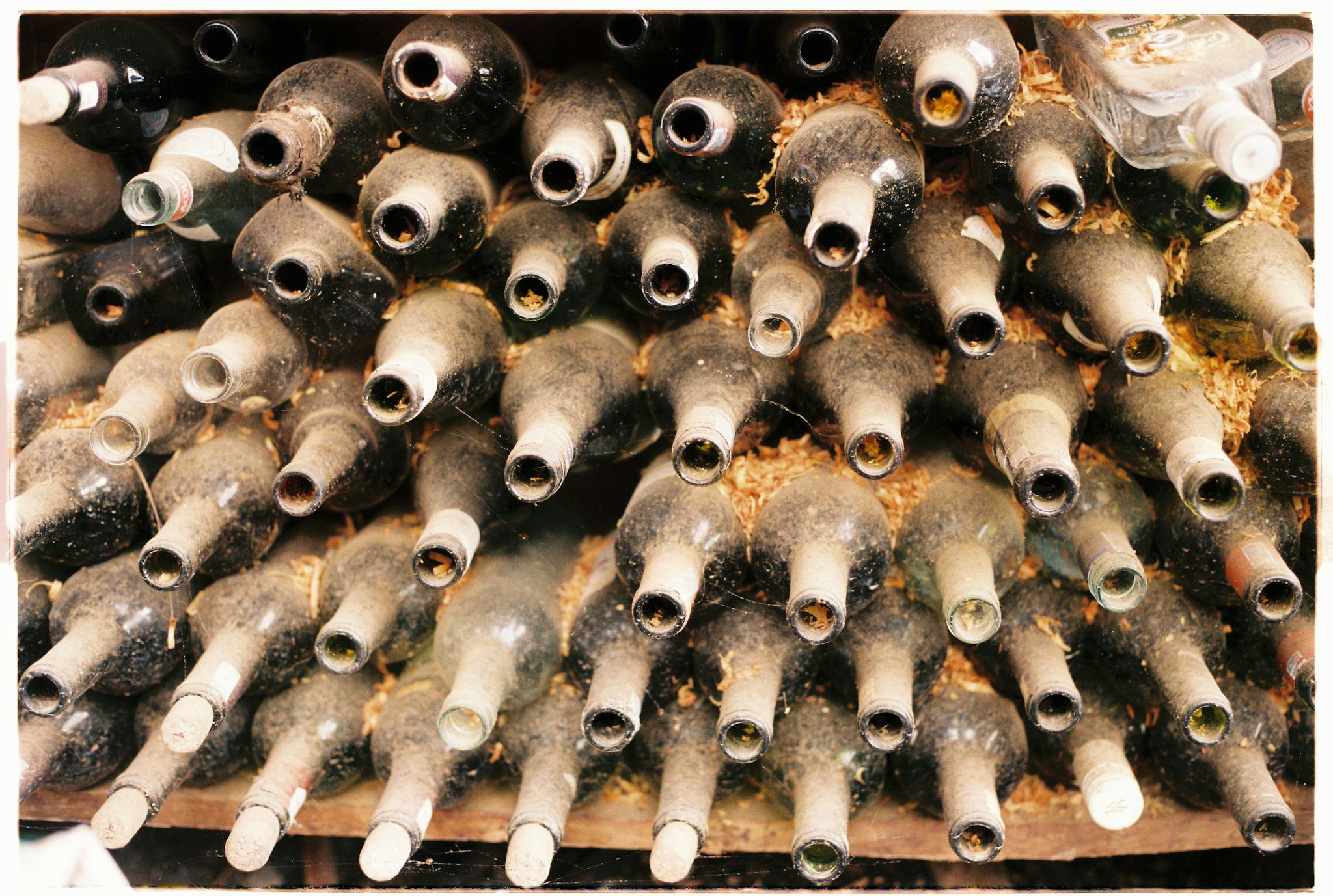
A collection of dusty, empty wine bottles stacked horizontally in an old cellar.

Build a Brand That Stands Out

Importers and distributors are looking for wines with a story. A boutique winery has an advantage here. Small producers can share the history of their vineyard, the passion behind their winemaking, and the values that make them different. Good packaging, clear labels, and eco-friendly practices such as organic or sustainable production can also help attract attention in foreign markets.

Find the Right Import Partners

One of the biggest challenges is connecting with the right buyers. Trade fairs such as ProWein in Germany or Vinexpo in France are excellent opportunities to meet importers face-to-face. Government export programs and chambers of commerce can also guide wineries toward international contacts. For those unable to travel, online platforms like Beverage Trade Network or Wine-Searcher Pro connect wineries with global distributors.

Focus on Niche Markets

Instead of competing with mass-market producers, small wineries can focus on niche segments where their wines truly shine. Natural wine bars, organic shops, boutique restaurants, and independent wine clubs are often looking for limited-production bottles with strong character. These markets value quality and story over quantity.

Understand Logistics and Rules

Every country has its own import laws, labeling requirements, and taxes. Working with specialized freight forwarders who understand the wine business can save time and money. Being well-prepared with the right paperwork, certifications, and shipping methods will help avoid delays and extra costs.

Share Your Story Directly

In today’s digital world, wineries can connect with buyers and consumers online. Virtual tastings, social media campaigns, and collaborations with sommeliers or influencers can help a small winery build visibility abroad. Wine tourism can also play a role: a visitor who enjoys your wine at the vineyard may become an ambassador for your brand in their home country.

Conclusion

For boutique wineries, going international is not easy, but it is possible. By building a strong brand, focusing on the right markets, and creating close partnerships with importers, small producers can succeed beyond their local cellar. The world is full of wine lovers looking for authentic, unique bottles — and boutique wineries are in the perfect position to deliver them.

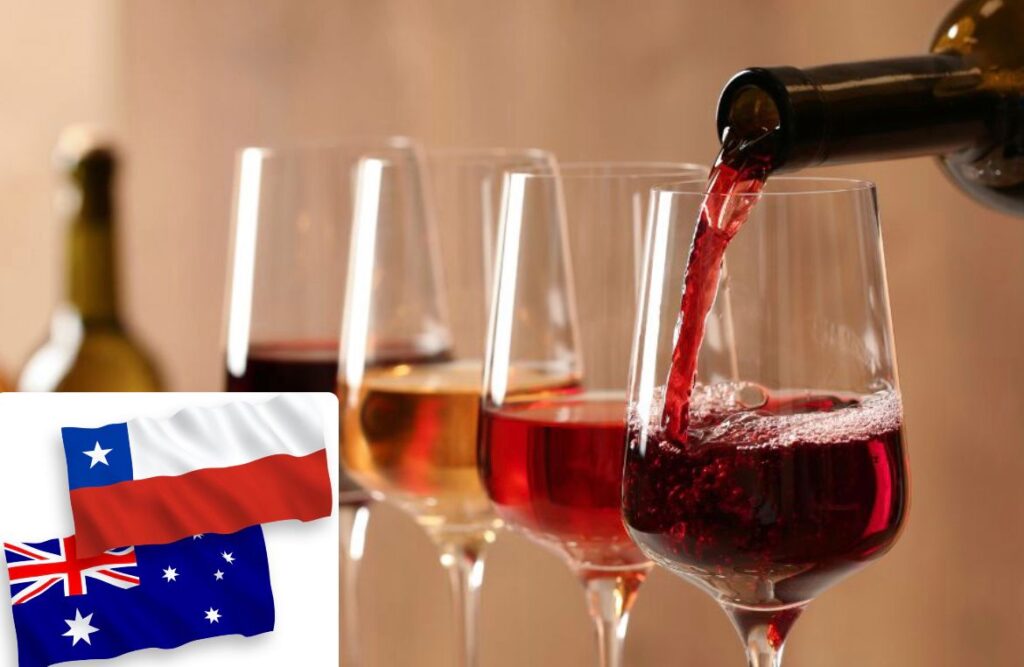
Australia vs. Chile: Competing for the Same Shelf Space in Europe?

As European wine retailers navigate rising inflation, tighter margins, and shifting consumer preferences, two major Southern Hemisphere producers—Australia and Chile—are increasingly vying for dominance on the same battleground: European retail shelves. Once operating in largely distinct markets, these countries are now colliding in key segments and territories, offering similar products to the same buyers.

The Rise of Overlapping Export Strategies

Both Australia and Chile have built reputations as reliable sources of high-quality, value-for-money wines. Their portfolios are broad, their exports heavily supported by national marketing bodies, and both have matured into consistent players in the €6–€12 price bracket that dominates European supermarket sales. Traditionally, Australia has maintained a strong foothold in the UK and Ireland, while Chile’s exports have flourished in Germany, the Netherlands, and Scandinavian countries. But in 2025, the dividing lines are fading. Export data shows Chile’s wine shipments to Europe grew 6.1% year-on-year in the second quarter, with notable gains in Northern and Western European markets. At the same time, Australia recorded a 4.8% rebound in its UK and Irish exports, reversing a years-long downward trend post-Brexit and amid changing trade conditions.

Similar Wines, Same Shelf

This overlap is no longer theoretical. Buyers at leading retail chains across Europe report increasingly being pitched near-identical varietals—Sauvignon Blanc from Chile’s Casablanca Valley versus Australia’s Adelaide Hills, Cabernet Sauvignon from Maipo Valley competing with Coonawarra, and Chardonnay from Limarí going up against Margaret River. The wines are similarly styled, similarly priced, and equally well supported by promotional programs. In other words, they’re now fighting for the same shelf slots.

Brand Recognition and Consumer Perception

In terms of brand recognition, Australia retains an advantage in the UK, where names like Yellow Tail and Jacob’s Creek still hold sway among mainstream consumers. However, Chile is making inroads with a newer wave of organic and sustainably positioned wines. Brands like Emiliana and Cono Sur are carving out space in the hearts of eco-conscious shoppers, particularly among millennials and Gen Z.

The Sustainability Factor

The sustainability narrative is playing a larger role in European purchasing decisions, and Chile currently leads in certified sustainable vineyard acreage. That said, Australia is moving quickly to catch up, with its “Sustainable Winegrowing Australia” initiative gaining ground in both domestic operations and global messaging.

Trade Policy and Logistics

Logistics and geopolitics are also shaping the playing field. Chile benefits from an established free trade agreement with the European Union, giving its exporters a modest pricing advantage. Australia, while still negotiating final terms of a post-Brexit trade deal with the EU, has shown positive momentum in 2025, particularly through enhanced cooperation with individual markets like the Netherlands and Ireland.

Retailer Realities and Strategic Choices

From the perspective of European retailers, both countries are becoming increasingly interchangeable, especially at entry and mid-tier price points. Decisions on which wines to list often come down to strategic factors like differentiation, storytelling, and promotional support. A buyer at a mid-sized German supermarket chain recently commented that Chilean whites feel fresher and more vibrant to their consumers, while Australian reds offer more structure and body—traits that resonate well with meat-focused meal occasions.

A Shrinking Shelf and Rising Stakes

The bigger picture is clear: shelf space is limited, and the competition is intensifying. As more private-label programs and local European wines reclaim space post-COVID, both Australia and Chile must work harder to justify their presence. Simply offering good wine at a fair price is no longer enough. Success will depend on targeted branding, consistent quality, flexible logistics, and the ability to help retailers tell a story that connects with their specific market.

Conclusion: A Battle That’s Only Just Begun

Whether this is a long-term collision or a case of parallel coexistence remains to be seen. But one thing is certain—Europe is no longer big enough for both countries to grow without friction. The question is: who will adapt faster?

The Global Wine Market: Trends, Challenges, and Opportunities in 2025

The world of wine, long defined by tradition and heritage, is undergoing profound change. In 2025, the global wine market is experiencing a delicate balance between honoring the old and embracing the new. While the romanticism of vineyards and cellars persists, the business of wine is becoming increasingly dynamic, diverse, and digitally integrated.

A Global Snapshot

The global wine market is currently valued at over $340 billion, maintaining stable growth despite economic uncertainty and shifting consumption patterns. Europe continues to dominate production, with France, Italy, and Spain leading the charge. However, countries like the United States, Chile, Australia, and South Africa are rapidly expanding their influence, particularly in exports and innovation.

Meanwhile, the Asia-Pacific region has emerged as a major consumption hub. China’s growing middle class, Japan’s premium wine culture, and South Korea’s rising interest in Western lifestyle products are contributing to a surge in demand for both domestic and imported wines.

The Rise of Premium and Purposeful Wine

Consumer tastes are moving upmarket. More people are seeking wines that tell a story—crafted with care, rooted in place, and made with integrity. Small producers, organic vineyards, and biodynamic farms are gaining attention, while mass-market labels face increasing scrutiny.

Natural and low-intervention wines, once on the fringes, are now firmly part of the mainstream conversation. Among younger consumers especially, transparency and sustainability are as important as flavor and price.

Technology in the Vineyard and Beyond

Technology is reshaping nearly every aspect of the wine business. Vineyards are using AI and drones to monitor crops, manage irrigation, and predict harvest quality. In the retail and marketing space, e-commerce continues to boom, fueled by mobile apps, subscription services, and direct-to-consumer platforms.

Digital engagement, from virtual tastings to AR-enhanced wine labels, is bringing the tasting room experience into consumers’ homes. Blockchain is even being used by some producers to verify provenance and combat counterfeiting in the fine wine sector.

Changing Lifestyles, Changing Preferences

Health-conscious consumers are drinking more mindfully, giving rise to a growing market for low-alcohol and alcohol-free wines. These alternatives—once relegated to novelty status—are now enjoying serious investment and innovation. Wines infused with botanicals, adaptogens, or functional ingredients are also carving out a niche.

This shift reflects broader lifestyle changes: wellness culture, moderation, and ethical consumption are increasingly driving decisions at the point of purchase.

Climate Pressure and Environmental Risk

Few industries are as climate-sensitive as wine. In 2025, vineyards around the world are grappling with the impact of extreme weather, from droughts in Spain to unseasonal frosts in France. As a result, traditional wine regions are having to adapt their grape varietals and farming methods, while new players—from Scandinavia to Canada—are entering the viticultural map.

This volatility is accelerating the push toward sustainable and regenerative practices. Consumers now expect eco-conscious production methods, and many wineries are responding with certifications, reduced packaging, and carbon-neutral goals.

The Regulatory Landscape

The wine trade is increasingly complex. Geopolitical tensions, tariffs, and changing import-export rules continue to disrupt global supply chains. Post-Brexit adjustments and evolving EU regulations have reshaped access to key markets, while in the U.S., state-by-state distribution laws remain a major barrier for producers.

Producers and distributors must now navigate a web of compliance challenges to remain competitive internationally.

Connecting with a New Generation

Younger consumers—particularly Millennials and Gen Z—represent both a challenge and an opportunity for the wine industry. While this demographic is less likely to drink wine regularly compared to previous generations, their preferences are shaping product development, branding, and marketing strategies.

Storytelling, sustainability, and social values are essential to earning their loyalty. Wineries that can connect emotionally and digitally with this audience are more likely to succeed.

Markets on the Rise

Opportunities abound in emerging markets. India’s growing urban class, Brazil’s expanding middle-income population, and Southeast Asia’s interest in Western dining habits present strong potential for future growth. These markets, while requiring education and cultural sensitivity, are rapidly maturing in terms of both awareness and accessibility.

A New Era of Wine Tourism

Wine tourism is enjoying a renaissance. With international travel back in full swing, wineries are offering immersive experiences that go far beyond tastings. From vineyard yoga and cooking classes to sustainability tours and luxury retreats, the wine experience has become a lifestyle offering—blending culture, wellness, and gastronomy.

Looking Ahead

The global wine market in 2025 is more complex, creative, and connected than ever before. Innovation and tradition now move side by side, shaping a future that respects the past while embracing the possibilities of change.

For winemakers, investors, and consumers alike, the next few years will offer both challenges and remarkable opportunities—as long as they’re ready to adapt, engage, and evolve.

Southeast Asia Becoming a Priority for Premium European Wineries

Southeast Asia is fast becoming the new frontier for premium European wineries. Once a niche market, the region has evolved into a dynamic wine-consuming landscape, driven by a booming middle class, increasing wine literacy, and a strong appetite for luxury experiences. For many top-tier wineries from France, Italy, Spain, and Germany, Southeast Asia is no longer just an emerging market—it’s a strategic priority.

Rising Wealth, Rising Taste

With robust economic growth across nations such as Vietnam, Thailand, Indonesia, and the Philippines, Southeast Asia is witnessing a surge in affluent and aspirational consumers. According to the OECD, the region’s middle class is expected to double in size by 2030, bringing with it an increase in disposable income and an evolving taste for international cuisine and fine wine.

“Ten years ago, we were only exporting to Singapore and Hong Kong,” says Claire Moreau, Export Director at Château Léonore, a Bordeaux-based winery. “Now, we’re seeing significant growth in Vietnam, Thailand, and Malaysia. These consumers are incredibly curious and increasingly sophisticated in their wine preferences.”

Wine Culture on the Rise

Wine education has played a significant role in this transformation. Wine appreciation clubs, sommelier training programs, and social media influencers have introduced Southeast Asian consumers to the nuances of terroir, vintage, and varietal. Major cities like Bangkok, Jakarta, and Ho Chi Minh City now host wine festivals, masterclasses, and tasting events that rival those in more established markets.

Furthermore, fine dining and hospitality have flourished in tandem. Luxury hotels and Michelin-starred restaurants in the region now prioritize curated wine lists, often featuring rare and exclusive labels from Europe.

Logistics and Accessibility Improving

A decade ago, stringent import regulations, high tariffs, and inconsistent logistics posed challenges for European winemakers entering Southeast Asia. Today, these barriers are gradually diminishing. Free trade agreements such as the EU-Vietnam Free Trade Agreement (EVFTA) and better regional distribution networks have improved access and affordability.

“The infrastructure is catching up,” says Marco Bellini, Export Manager for a renowned Barolo producer in Piedmont, Italy. “We now have reliable cold chain logistics, experienced local partners, and more efficient customs procedures. It’s much easier to ensure our wines arrive in perfect condition.”

Singapore and Beyond

While Singapore remains the hub for fine wine in Southeast Asia due to its mature market and strong collector base, other countries are catching up fast. Vietnam’s young professionals, Thailand’s hospitality sector, and Indonesia’s affluent elite are all fueling demand.

E-commerce platforms and digital marketing have also enabled wineries to engage directly with consumers, bypassing traditional distributors and reaching younger demographics through Instagram, TikTok, and online tasting sessions.

Strategic Partnerships and Long-Term Vision

Premium European wineries are not just exporting—they’re investing. Joint ventures with local importers, exclusive distribution agreements, and even vineyard tourism partnerships are becoming more common. The long-term vision is clear: establish a strong brand presence now to capture loyalty as the market matures.

“Southeast Asia is not a trend—it’s a long-term growth engine,” says Moreau. “It represents the future of global wine consumption.”

Conclusion

As wine culture deepens and purchasing power rises across Southeast Asia, premium European wineries are seizing the opportunity to position themselves at the forefront of this vibrant market. With strategic investment, cultural sensitivity, and a focus on education, the region is quickly transforming from a promising prospect to a priority market.

How Climate Change is Reshaping the Global Wine Industry

Wine has always been more than just a drink—it’s a product of the land, the weather, and the delicate relationship between nature and tradition. For centuries, grape growers have depended on stable seasons and predictable temperatures to create the world’s favorite wines. But today, climate change is disrupting that balance. Rising temperatures, extreme weather, and shifting climates are reshaping the global wine industry in ways that were once unthinkable.

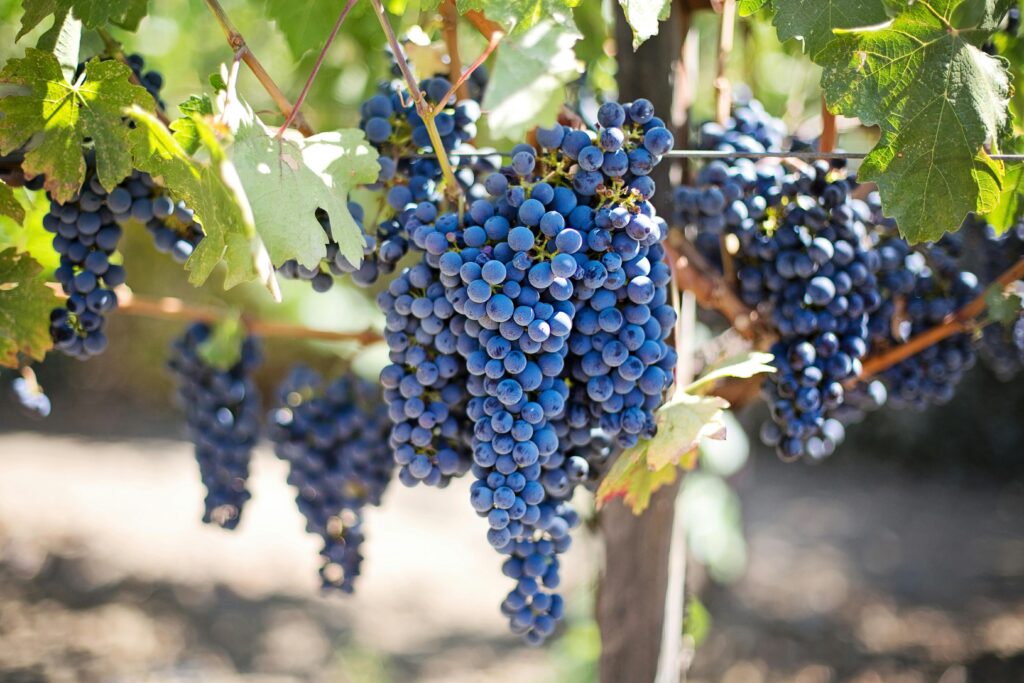
Close-up of fresh purple grapes in a sunlit vineyard, perfect for wine-making.

In many classic wine-producing regions such as France, Italy, and Spain, temperatures have been rising steadily. Warmer weather is causing grapes to ripen more quickly than they used to. This might sound good at first, but it often leads to higher sugar levels in the grapes, which creates wines with more alcohol and different flavor profiles. Wines from regions like Bordeaux or Chianti are beginning to taste noticeably different than they did even just 20 years ago. The balance of acidity, sweetness, and aroma is changing—sometimes too quickly for winemakers to adjust.

At the same time, areas that were once considered too cold for vineyards are now becoming new wine-growing regions. Countries like England, Belgium, and even parts of Scandinavia are now producing high-quality wines, particularly sparkling ones. In fact, English sparkling wines have won several international awards in recent years, something that would have been rare in the past. Climate change, while damaging to some traditional regions, is opening doors in unexpected places.

However, climate change is not just about warmer weather. It also brings more extreme and unpredictable conditions. Grape growers are now dealing with spring frosts that arrive after early budding, heavy rains during harvest time, long droughts, and even wildfires. In France in 2021, a sudden frost destroyed nearly one-third of the country’s grape production. In California, wildfires have burned vineyards and left a smoky taste in the grapes that survived. These events are not only costly but also deeply emotional for winemakers who spend years caring for their vines.

To survive, many winemakers are starting to adapt. Some are planting new grape varieties that are more resistant to heat and drought. Others are moving their vineyards to higher altitudes, where it’s cooler, or adjusting the timing of their harvest to match the new climate conditions. These changes aren’t easy, especially for regions with long-standing traditions and strict wine laws. In Bordeaux, for example, it took centuries for the rules to allow even the smallest change in grape types. But now, due to climate pressure, the region has officially approved six new varieties that can handle warmer temperatures and shorter growing seasons.

There is also a growing focus on sustainability within the wine industry. Wineries around the world are beginning to adopt eco-friendly practices such as using solar energy, reducing water waste, and avoiding synthetic chemicals. Some are aiming to become carbon neutral, meaning they take steps to reduce or offset the carbon dioxide they release into the environment. These efforts are not only good for the planet, but they also attract younger consumers who care about where and how their wine is made.

Still, the path forward is not simple. Smaller vineyards, especially those in poorer regions, may not have the money or resources to make big changes. Wine is a business, but it’s also a tradition, a lifestyle, and a cultural symbol. As the climate continues to shift, winemakers will need to balance innovation with tradition, staying true to their heritage while finding new ways to protect their crops and adapt to the future.

In the end, the story of wine and climate change is still being written. What is certain is that winemakers, scientists, and nature itself are all playing a part in shaping what the wine world will look—and taste—like in the years to come. Whether you’re a winemaker, a wine lover, or simply someone who enjoys a glass with dinner, climate change is already in the bottle.

Benelux in the Wine Trade: A Small Region with Big Import Power

When wine professionals think about the major players in global wine trade, the spotlight often falls on large markets like the United States, the United Kingdom, Germany, or China. Yet nestled in the northwest corner of Europe, the Benelux region—Belgium, the Netherlands, and Luxembourg—quietly plays an outsized role in the import, distribution, and re-export of wine across the continent.

Despite their small size, the Benelux countries act as a vital commercial gateway to Northern and Western Europe. With world-class port infrastructure, sophisticated logistics networks, and evolving consumer markets, they serve both as a landing pad for international producers and as a springboard for broader European access. For exporters looking to scale into Europe strategically, understanding the dynamics of Benelux isn’t optional—it’s essential.

A Strategic Entry Point for Global Wine

The Netherlands and Belgium import more than a billion liters of wine annually, with much of that volume redistributed to other EU countries. The Port of Rotterdam, Europe’s largest and one of the busiest in the world, plays a critical role in facilitating bulk and bottled wine shipments from France, Italy, Spain, Chile, South Africa, and Australia. Antwerp is also a key hub, especially for French and German wine traffic.

For producers outside the European Union, particularly those in the Southern Hemisphere, the logistics efficiency and centrality of Benelux make it an attractive entry point. Wines can be cleared, warehoused, repackaged, and distributed with relative ease to key European retail and horeca (hotel/restaurant/catering) markets from a single location. In effect, Benelux functions as Europe’s wine roundabout.

Evolving Consumer Markets

Consumer behavior in the region is also shifting—becoming more diverse, digital, and sustainability-conscious. In Belgium, traditional preferences for French wine remain strong, but there is rising interest in organic and biodynamic wines, particularly among younger urban consumers. Italian whites and Spanish reds have gained notable traction, driven by competitive pricing and modern branding.

The Netherlands, meanwhile, has emerged as one of Europe’s most progressive wine markets. Dutch consumers are increasingly drawn to low- and no-alcohol options, natural and vegan wines, and sustainable packaging formats such as cans and lightweight bottles. E-commerce continues to gain ground, fueled by digital-savvy consumers who often discover wine via social platforms or digital subscriptions.

Luxembourg, though much smaller, remains a high-value niche market. Its affluent consumers favor premium French and German wines and show a strong interest in terroir-driven offerings.

Price Sensitivity Meets Premiumization

One of the paradoxes of the Benelux region is the balance between price sensitivity and the demand for premium, niche wines. While many consumers seek value—especially in supermarket channels—there is also clear momentum toward wines with a compelling story, sustainable practices, and regional authenticity.

Importers in the region are increasingly looking for unique offerings that combine quality, transparency, and logistical flexibility. Producers who can offer smaller lots, tailored labeling, or storytelling assets such as QR codes or digital traceability tools are finding receptive partners.

The Re-Export Effect

Perhaps one of the most underappreciated aspects of the Benelux wine trade is its re-export function. A significant percentage of the wine imported into the Netherlands and Belgium does not stay there. Instead, it is redistributed to neighboring countries, including Germany, Denmark, Poland, and the Scandinavian markets.

Dutch importers often work with regional supermarket chains or distributors across borders, while Belgian brokers and wholesalers serve as key intermediaries for both traditional and emerging markets. This makes Benelux not just a consumption zone, but a powerful hub within the European wine trade network.

Looking Ahead

Several key opportunities are emerging across the Benelux landscape. The low- and no-alcohol wine category is expanding rapidly, outpacing supply in some cities. Sustainable and certified organic portfolios are no longer niche—they are becoming the expectation in many retail channels. Ecommerce-ready SKUs and wines with compelling digital storytelling are also gaining traction, particularly among millennial and Gen Z consumers.

In the logistics arena, premium bulk wine and private-label solutions are on the rise, especially in the Netherlands. For producers with flexible production models, this represents a growing path to volume and visibility.

Conclusion

The Benelux region may be modest in geographic size and population, but its impact on the global wine trade is anything but small. As both a consumer market and a logistical gateway, Belgium, the Netherlands, and Luxembourg offer a unique combination of access, efficiency, and sophistication.

For producers, brokers, and trade professionals looking to expand into or across Europe, engaging with Benelux isn’t merely an option—it’s a strategic advantage. In a wine market increasingly shaped by agility, sustainability, and storytelling, the region stands as a model of modern wine commerce: compact, connected, and quietly powerful.

New Zealand Sauvignon Blanc Dominating German Supermarkets

In recent years, a new trend has become clear in German supermarkets: New Zealand Sauvignon Blanc is becoming one of the most popular white wines on the shelves. This fresh and fruity wine is winning over both casual wine drinkers and experts across the country.

What Makes It So Popular?

Sauvignon Blanc from New Zealand, especially from the Marlborough region, is known for its bright flavors. It often has notes of citrus fruits like lime and grapefruit, along with tropical hints of passion fruit or pineapple. Many people describe it as crisp, refreshing, and easy to drink. These qualities make it a perfect choice for warm summer days, picnics, or light meals.

German consumers enjoy wines that are full of flavor but not too heavy, and New Zealand Sauvignon Blanc fits this description perfectly. It also pairs well with many types of food, such as fish, chicken, salads, and even spicy dishes like Thai or Indian cuisine.

Strong Presence in Supermarkets

Supermarket chains like Edeka, Rewe, Aldi, and Lidl have noticed this trend. They are offering more choices from New Zealand than ever before. Some stores even have special wine sections featuring bottles from Marlborough and other well-known wine regions in New Zealand.

The prices of these wines are also very competitive. A good-quality Sauvignon Blanc from New Zealand can often be found for under €10, making it an affordable luxury. Beautiful packaging and clear labels also help attract shoppers who may not know much about wine but want something reliable and tasty.

Beating Local and European Wines

Germany is known for its own white wines, like Riesling, and many stores also sell wines from France, Italy, and Spain. However, more and more German customers are reaching for New Zealand bottles instead. Wine experts say that the clean, fresh taste and consistent quality of New Zealand Sauvignon Blanc make it stand out from the crowd.

Some German wine producers see this as healthy competition. Others are trying to learn from the success of New Zealand by improving their marketing or experimenting with new wine styles.

Not Just a Trend

This is not just a passing fashion. Sales numbers show that demand for New Zealand Sauvignon Blanc continues to rise each year in Germany. Younger wine drinkers, especially people in their 20s and 30s, are leading the way. They enjoy the wine’s modern style, and many share their favorites on social media, helping the trend grow even more.

As long as New Zealand keeps producing high-quality wine, and German supermarkets continue to make it easy to buy, it looks like Sauvignon Blanc from the other side of the world will remain a big hit in German homes.