Chile’s Colchagua Valley has become one of the country’s most important wine regions in international trade. Located south of Santiago, the valley is known for its warm climate, reliable weather, and strong focus on red wines. Over the past two decades, Colchagua has moved from being a local success story to a key player in global wine markets.
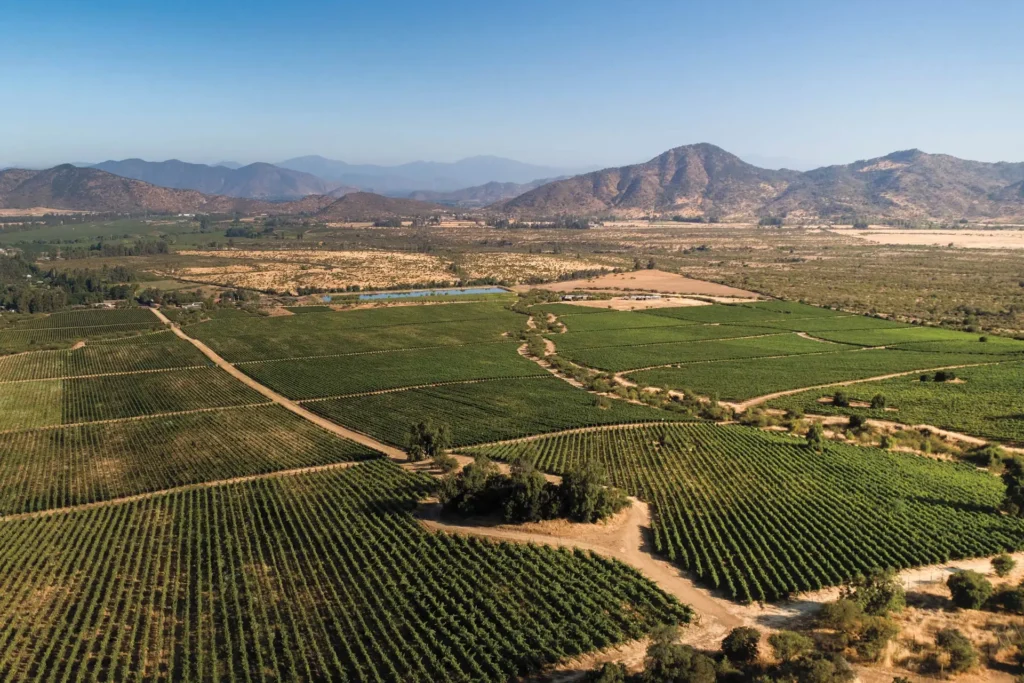
One of the main reasons for this rise is consistency. Buyers in markets like the United States, the United Kingdom, China, and Brazil look for wines that deliver stable quality year after year. Colchagua producers have been able to meet this demand. The region produces rich, full-bodied red wines, especially Cabernet Sauvignon, Carménère, Syrah, and blends. Carménère, in particular, has become closely linked with Chile, and Colchagua is one of its strongest regions.
Another important factor is the balance between price and quality. Wines from Colchagua often compete well against products from more expensive regions such as Napa Valley or Bordeaux. Importers and distributors see this as a strong advantage. It allows them to offer premium-style wines at more accessible prices, which is important in both mature and emerging markets.
Several well-known wineries have helped build the region’s international image. Montes is often seen as a pioneer, especially in premium exports. Lapostolle has gained global attention with its high-end wines and strong branding. Viu Manent and Casa Silva are also key names, known for combining tradition with modern winemaking. These producers invest in technology, vineyard management, and international marketing, which helps them stay competitive.
Colchagua has also benefited from a clear export strategy. Chile as a country has many free trade agreements, which reduce tariffs and make its wines more attractive abroad. This gives Colchagua producers easier access to key markets. At the same time, wineries have worked on improving their brand stories, focusing on terroir, sustainability, and quality.
Sustainability is becoming more important in global trade, and Colchagua is adapting. Many wineries are now certified sustainable or are working toward it. This matters to buyers, especially in Europe, where environmental standards are increasingly part of purchasing decisions.
Despite its success, the region still faces challenges. Competition is strong, not only from traditional wine countries but also from other New World producers like Argentina, Australia, and South Africa. In addition, global demand is changing, with some consumers looking for lighter wines or lower alcohol levels. Colchagua, known for powerful reds, may need to adapt its style for certain markets.
Overall, Colchagua Valley holds a strong position in the global wine trade. Its mix of quality, value, and clear identity makes it attractive to importers and consumers alike. With continued investment and adaptation, the region is likely to remain one of Chile’s leading export drivers in the years ahead.