Provence is one of France’s best-known wine regions. Located in the south of the country, it is famous for its Mediterranean climate, varied landscapes and fresh rosé wines. However, Provence has much more to offer than rosé.
The region also produces excellent red and white wines. Its wine producers work with different grape varieties and local terroirs. Moreover, many estates are developing their international presence.
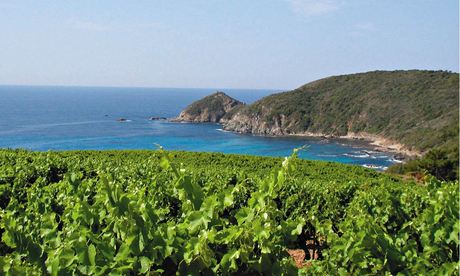
1. Château La Coste: Organic Wines from Coteaux d’Aix-en-Provence
Château La Coste is located north of Aix-en-Provence. The estate has a long wine-growing history and a vineyard covering around 200 hectares.
The winery follows organic farming methods and also uses biodynamic principles. Its vineyard has been fully organic since 2013.
Château La Coste produces red, white and rosé wines. Its range includes wines from the Coteaux d’Aix-en-Provence appellation and the IGP Méditerranée designation.
The estate focuses on expressing the character of its land. As a result, its wines offer different styles and profiles. The range includes fresh rosés, structured reds and elegant white wines.
Château La Coste is also known for its connection with art and architecture. This adds another dimension to the estate and its international profile.
For wine professionals, it is an interesting example of a Provençal producer combining wine production, organic farming and international visibility.
2. Domaine de la Croix: A Cru Classé Estate in Côtes de Provence
Domaine de la Croix is located in La Croix-Valmer, close to the Mediterranean coast. It is part of the Côtes de Provence appellation.
The estate received the Cru Classé distinction in 1955. This recognition highlights its long history and position in the region.
Its coastal location plays an important role in the vineyard. The Mediterranean climate and local soils help shape the character of its wines.
Domaine de la Croix produces red, white and rosé wines. Its portfolio includes several ranges, from fresh and approachable wines to more complex gastronomic cuvées.
The estate also places importance on environmental practices. It has received High Environmental Value (HVE) certification.
Furthermore, Domaine de la Croix has a dedicated sales department for France and export markets. This makes it an interesting producer to follow from a wine trade perspective.
Its combination of history, location and different wine styles gives it a clear place in the Provence wine scene.
3. Château Les Valentines: Family Wines with an International Presence
Château Les Valentines is a family-run winery in La Londe-les-Maures, in the Côtes de Provence region.
The Pons-Massenot family took over the property in 1997. They then developed the estate and created the Château Les Valentines wine brand.
Today, the vineyard covers around 50 hectares. Its soils are mainly schist, while the nearby Mediterranean Sea influences the local climate.
The estate grows nine grape varieties. These include Grenache, Syrah, Cinsault, Mourvèdre, Cabernet Sauvignon, Carignan, Rolle, Clairette and Ugni Blanc.
Rosé is the main focus of production. According to the estate, around 75% of its wines are rosé, while red wines account for 15% and white wines for 10%.
Château Les Valentines follows organic farming practices. Its wines are distributed in around 40 countries.
This international presence makes the estate particularly interesting for wine importers and distributors. It shows how a family-owned winery from Provence can build connections with markets around the world.
Provence: More Than Just Rosé
These three wine producers show the diversity of Provence. Each estate has its own history, location and approach to winemaking.
Château La Coste focuses on organic wines and a wide range of styles. Domaine de la Croix brings together the heritage of a Cru Classé estate and its Mediterranean terroir. Meanwhile, Château Les Valentines combines family ownership, organic production and international distribution.
Together, they demonstrate why Provence deserves attention beyond its famous rosé wines.
For wine importers, distributors and hospitality professionals, the region offers many producers and wine styles worth exploring.
Provence is not just a destination for rosé lovers. It is also an important region to discover for anyone interested in French wine and international wine trade.