Wine is one of the oldest and most traded products in the world. But behind the beauty of a perfectly aged red or a crisp white is a complex business that spans countries, languages, and cultures. One of the key players in this business is the wine broker. Though they often work behind the scenes, wine brokers are a major force in moving wine from vineyards to consumers around the globe.
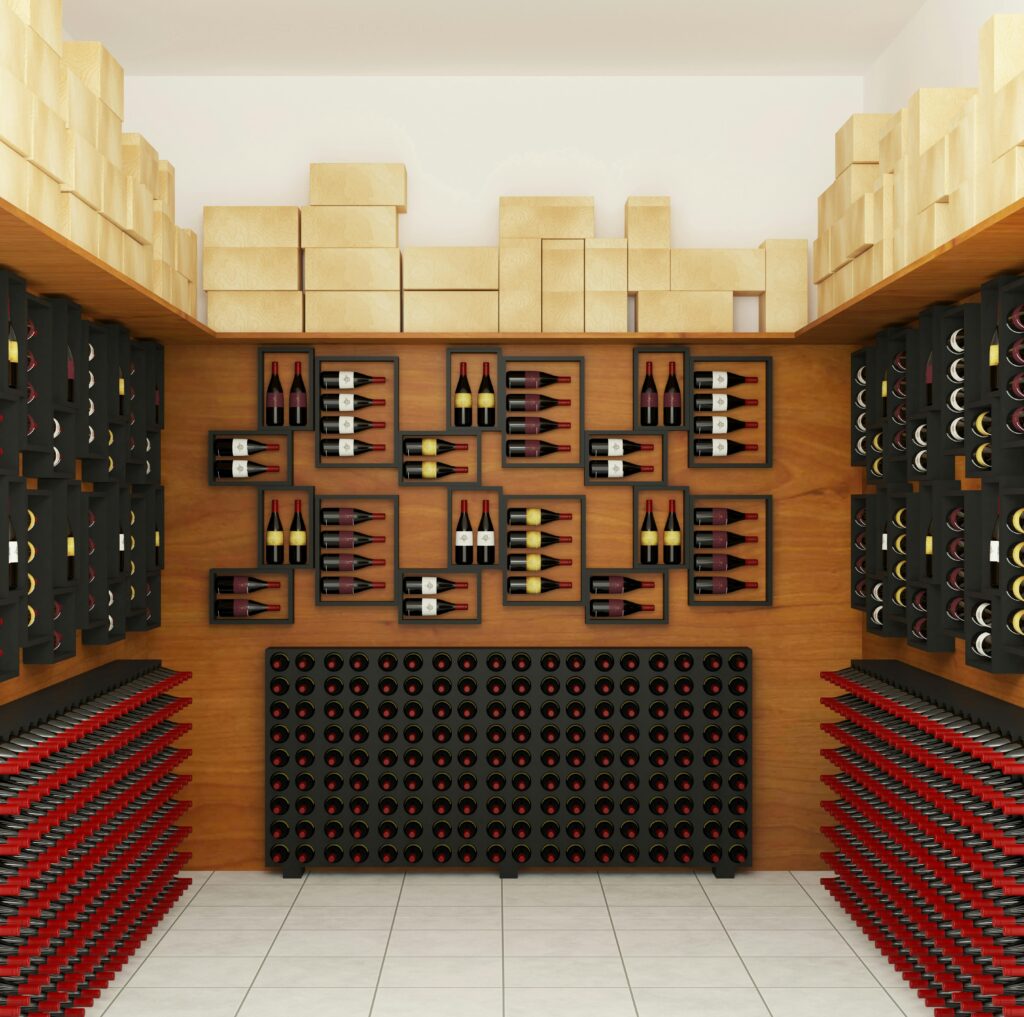
At its core, a wine broker acts as a link between wine producers—such as vineyards and wineries—and buyers, which include importers, wholesalers, distributors, retailers, restaurants, and even private collectors. Unlike agents or distributors, brokers typically don’t buy the wine themselves. Instead, they arrange deals, offer expert advice, and help both sides get the best value. In return, they earn a commission for each successful sale.
Brokers are experts in both wine and the market. They stay informed about global trends, consumer preferences, and price fluctuations. For example, they might know that there’s rising interest in organic wines in Scandinavia or that rosé sales are booming in the U.S. Armed with this knowledge, they guide producers on where to sell their wine and what styles or price points are most attractive in each region.
For wineries—especially small and mid-sized ones—wine brokers are often the first step toward going international. Many producers focus most of their energy on making great wine, but they may not have the resources or experience to deal with international markets. A wine broker can open those doors, making introductions and offering valuable advice on how to label, price, and position wines for success in foreign markets.
Brokers also play a key role in pricing negotiations. They understand the financial needs of producers and the budget limits of buyers. Because they are neutral parties with a foot in both worlds, they can often find a middle ground that satisfies everyone. Their role helps to speed up the decision-making process and reduce costly miscommunication.
Another major responsibility of wine brokers is quality assurance. Many brokers taste every wine they represent. They need to be confident in what they’re promoting, not only to protect their reputation, but also to build trust with buyers. Some even visit wineries to see how the wine is made, ensuring it meets certain standards or certifications.
In the background, wine brokers also manage a lot of technical details. International wine trade involves complicated logistics—customs forms, taxes, shipping rules, storage conditions, and more. A skilled broker helps manage this paperwork and ensures that shipments comply with both the producer’s and buyer’s country regulations. This part of the job is crucial, especially as trade rules continue to evolve in many countries.
Wine brokers also bring benefits to buyers. For importers and retailers, brokers help save time by presenting carefully selected wines that match their needs. They might suggest wines that are exclusive, limited-edition, or a great value—products that set a business apart from the competition. Because of their industry contacts and knowledge, brokers can often introduce buyers to hidden gems they wouldn’t find on their own.
The influence of wine brokers on global trade is growing every year. As wine markets in Asia, Africa, and Latin America expand, the need for trusted intermediaries is more important than ever. E-commerce and digital wine sales have also added complexity, creating opportunities for brokers to assist with online partnerships, virtual tastings, and direct-to-consumer logistics.
In short, wine brokers are connectors, problem-solvers, and business strategists. They help wines move from rural vineyards in places like France, Chile, or South Africa to wine bars in Tokyo, supermarkets in New York, or boutique hotels in Sydney. They support economic growth by giving producers access to wider markets and giving buyers more options and better value.
Although they rarely get the spotlight, wine brokers are the quiet champions of the wine industry. Their knowledge, relationships, and behind-the-scenes work help drive the global wine trade forward—bottle by bottle, glass by glass.